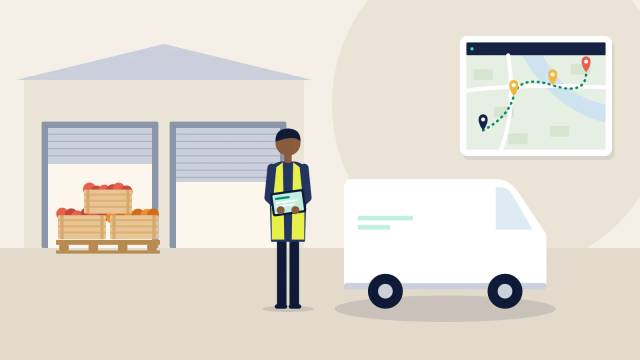
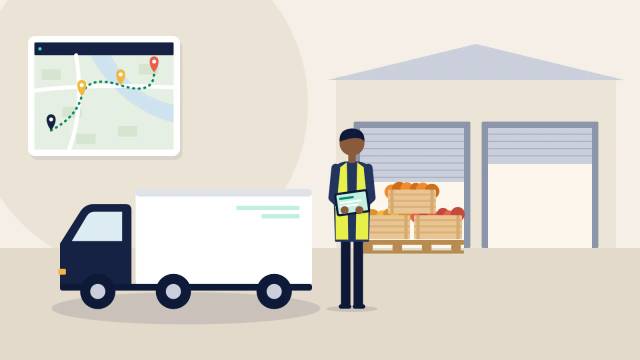
Distributing perishable goods brings five recurring challenges: holding freshness and quality, managing complex multi-stage supply chains, coping with seasonal demand swings, meeting health and safety compliance, and running efficiently. The article pairs each with practical controls, from FIFO and temperature monitoring to forecasting and automation.
Key takeaways
- Local sourcing shortens transport time, so products reach customers fresher with less waste.
- FIFO rotation moves older stock first, cutting spoilage before products pass their date.
- Refrigerated trucks need sensors or data loggers that alert operators to temperature changes live.
- A logistics plan with alternative routes and backup suppliers limits disruption from unexpected incidents.
- Forecasting on historical sales and market data prepares stock for seasonal peaks like holiday seafood.
- Temperature logs and expiry documentation from storage to sale evidence food safety compliance.
In this guide 6 sections

The distribution of perishable goods is more complex and requires precision, speed, and stability. With an emphasis on providing fresh products, whether maintaining optimal storage conditions or meeting stringent delivery windows, these businesses face many logistical challenges that impact not only the product's freshness but also their waste costs. Whether you operate a fruit, vegetable, seafood, or meat wholesale business, streamlining operations is crucial to success.
This article will explore the significant challenges in perishable goods distribution and how modern solutions, such as online ordering platforms and inventory management systems like Open Pantry, can transform wholesaler operations.
Consistency, But in Freshness and Quality Control
Suppliers and wholesalers who handle perishable items (such as seafood, fruits, and vegetables) with shorter shelf lives are primarily concerned with the freshness of their products. Even slight delays in getting a finished product into consumers' hands and onto grocery store shelves can mean waste, loss, and expense.
Solutions:
Many types of perishable goods can be sourced from a more local area to reduce lengthy transportation times (which translates into shorter deliveries and fresher products), so work hard to build strong relationships with your suppliers. Learn how to build a good relationship with your supplier.
Practice FIFO Inventory System: A first-in, first-out (FIFO) inventory system system means you sell or use the oldest items in your stock before the newer ones. This helps reduce waste and spoilage because the older products are used up before they can go bad.
Temperature Monitoring and Control Systems: Ensure refrigerated trucks have temperature monitoring systems to maintain the right conditions during transport. These systems use sensors, telematics, or data loggers to track the internal temperature and alert operators in real time if any sudden changes require immediate action.
Train Employees: Implement thorough training programs for employees focused on proper handling and storage practices, ensuring the quality and safety of products at every stage of the supply chain. This knowledge helps reduce mistakes, minimise waste, and maintain product freshness from arrival to delivery.
Enhanced Packaging Quality: Insulated or modified atmosphere packaging offers additional protection during storage and transportation.

Evaluating Supply Chain Complexity
For perishable items such as seafood, supply chains can be complex because of the many extra steps involved in harvesting, packaging, shipping, storing, and delivering. Each phase can introduce potential delays that may result in spoilage, making it challenging to manage these processes effectively.
Solutions:
If you wish to have reliable transportation services between the supplier, transporter, and retail, you must have a system for open communication channels in some form or another. This ensures alignment with all parties involved: timelines, expectations, and risks are articulated, reducing any risk of misunderstanding or delay.
Create an All-inclusive Logistics Plan: Preparing a detailed logistics plan, including optional shipping routes and backup suppliers, will help control disruptions from unexpected incidents. Contingency plans ensure supply remains steady when things go wrong.
Partnering with specialised logistics providers who manage perishable goods can handle this issue, ensuring smooth coordination and complete accountability. These partners are also well-versed in the unique requirements of transporting temperature-sensitive products while preserving their integrity.
Provide Ongoing Staff Training in Supply Chain Management: Ongoing staff training in supply chain management is vital for improving operational efficiency. This ensures that well-trained personnel can quickly troubleshoot and resolve problems, avoiding disruptions in the production process while maintaining quality.
Visit Logistics Management to discover additional logistics management strategies.

Seasonality + Demand Fluctuations
Wholesale orders fluctuate seasonally or spike due to various factors (for example, more seafood sales during holidays), and produce has a short shelf life, especially in the summer. As a result, wholesalers stock up beyond required inventory levels or do not face stockouts.
Solutions:
Implementing Flexible Inventory Management: Wholesalers should partner with local farmers or fishermen to offer more products even in seasonal tight supply situations.
Even though the approach to dynamic pricing is multidimensional, it's all about business operations. Offering seasonal and non-seasonal products that could also be frozen can enable businesses to even out demand over yearly cycles. As a result, wholesalers can meet different consumer tastes and protect them in the face of seasonality.
Use Forecasting Tools: Wholesalers can more accurately predict shifts in demand by applying predictive tools that analyse historical sales data, market dynamics, and external factors. This calculated approach produces actual returns regarding changing stock profiles at the correct times, minimising waste through slow periods, and being ready for peaks.
Communication with Retailers is Key: The better the communication channel, the more in sync between parties on how much inventory you need and what consumers are into. Wholesalers will know more about demand through regular check-ins and data sharing to adjust their offers in real time, leading to better supply accuracy without overstocking.
Ensuring Compliance with Health & Safety
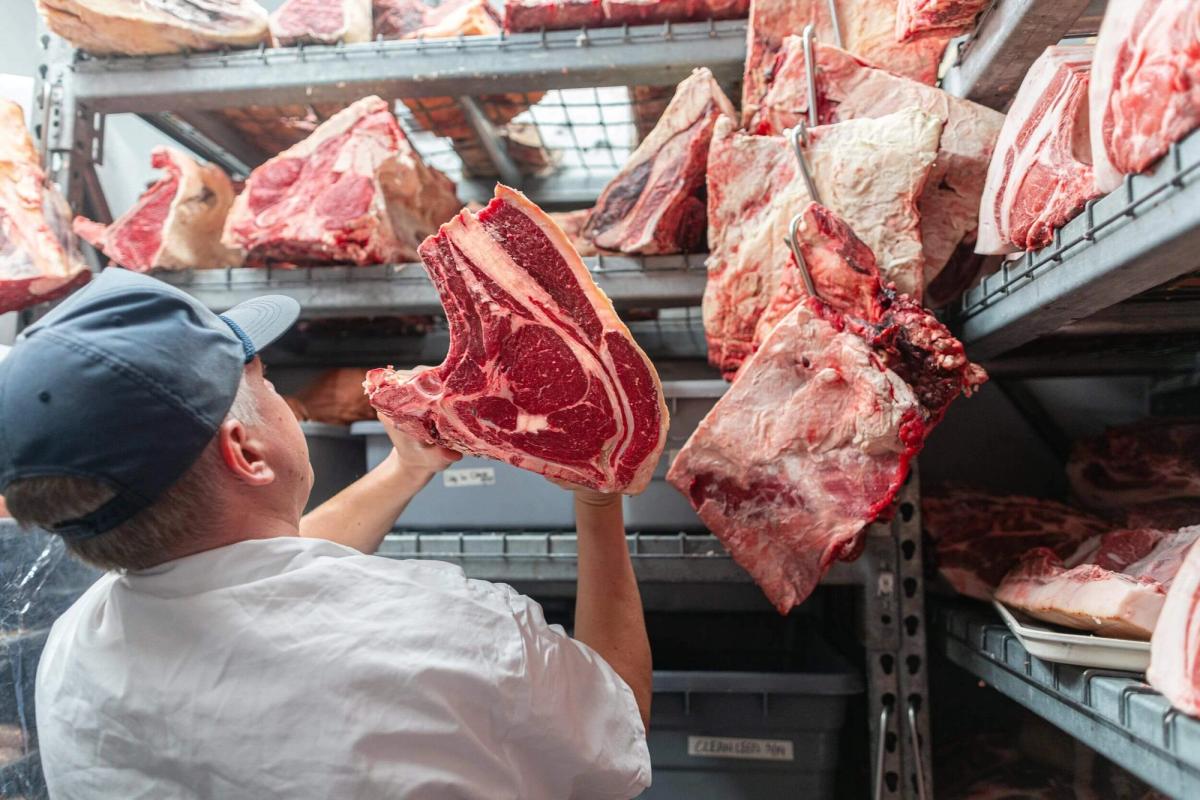
Wholesalers of perishable goods need to ensure they adhere to food-grade standards. This includes associated temperature monitoring, expiry date management, and handling records. These practices are even more meaningful for the meat supplier, as proper storage temperature prevents bacterial growth.
Solutions:
Standard Operating Procedures (SOPs) for handling include:
- Monitoring temperatures during storage and transportation.
- Ensuring consistency across all operations.
- Guaranteeing compliance with safety regulations.
Staff Training: Provide regular training to keep these protocols fresh in everyone's mind and give the staff the knowledge they need for compliance maintenance.
Inspection/Audit: Facilities and equipment should be inspected regularly, which will provide an early indication of potential compliance problems.
Genius Documentation: Set up an excellent documentation system that follows all products from their storage temperature logs until expiration with transparency and accountability.
Engage with Reputable Partners: Establish strong relationships with food-stamped suppliers and logistics operators to ensure safe standards are aligned for the entire supply chain, from farm to fork.
The Role of Technology in Improving Efficiency
Technology is vital for overcoming challenges in perishable goods distribution. Advanced platforms offer real-time inventory updates, automate order processing, and improve supplier-distributor communication. For example, inventory management software can alert wholesalers when stock levels drop, ensuring timely reorders.
Solutions:
Automated Inventory Management: Implement systems that generate programmed alerts for purchase orders when stock levels fall below set thresholds, preventing stockouts and ensuring product availability.
Cloud-Based Solutions: Cloud technology allows real-time collaboration with suppliers and retailers, minimising miscommunication and enhancing efficiency.
Automated Fulfillment: Wholesalers can improve their order fulfillment processes by incorporating automated picking and packing systems. This technology enables quicker order processing, ensuring that customers receive their deliveries on time. By using these tools, wholesalers can improve efficiency, boost customer satisfaction, and effectively manage their resources during busy times or sudden increases in demand.
Ongoing Staff Training: Regular training empowers staff to use these technologies effectively, ensuring they can respond swiftly to challenges and optimise operations.
The distribution of perishable goods is fraught with challenges, from maintaining freshness to managing complex logistics. Open Pantry helps streamline these processes by providing real-time tracking, automated order management, and tools for optimising inventory. This platform allows wholesalers to reduce waste, improve efficiency, and ensure that perishable goods reach their destination in prime condition. By leveraging platforms like Open Pantry, wholesalers can stay competitive, meet customer demands, and maximise profitability in the demanding world of perishable goods distribution.
Frequently asked questions
What are the main challenges of distributing perishable goods?
The article identifies maintaining freshness and quality control, managing supply chain complexity across harvesting, packaging, shipping, storage and delivery, handling seasonality and demand fluctuations, ensuring compliance with health and safety standards, and improving operational efficiency. Each stage introduces potential delay, and with short shelf lives a delay quickly becomes waste, loss and expense.
How can wholesalers keep perishable products fresh in transit?
Source locally where possible to shorten transport times, and run a first-in, first-out inventory system so older stock is sold before newer stock. Fit refrigerated trucks with temperature monitoring using sensors, telematics or data loggers that alert operators in real time to sudden changes, and use insulated or modified atmosphere packaging for extra protection.
How should a food wholesaler handle seasonal demand fluctuations?
Partner with local farmers or fishermen to keep supply available when a season is tight, and offer a mix of seasonal, non-seasonal and frozen products so demand evens out across the year. Use forecasting tools that analyse historical sales, market dynamics and external factors, and share data with retailers through regular check-ins to keep stock aligned with demand.
What does health and safety compliance require for perishable distribution?
Wholesalers must meet food-grade standards covering temperature monitoring, expiry date management and handling records, which matters especially for meat suppliers because correct storage temperature prevents bacterial growth. The article recommends standard operating procedures, regular staff training, routine inspection of facilities and equipment, thorough documentation, and working only with reputable suppliers and logistics partners.
How does technology improve the distribution of perishable food goods?
Platforms provide real-time inventory updates, automate order processing and improve communication between suppliers and distributors. Automated inventory management triggers purchase order alerts when stock falls below set thresholds, cloud-based tools support real-time collaboration with suppliers and retailers, and automated picking and packing speeds fulfilment so deliveries stay on time during busy periods.