


A prep sheet is a document listing every task, ingredient and quantity a kitchen must ready before service. It sets priorities, assigns responsibility, keeps preparation methods consistent between staff, reduces food waste and helps dishes reach the pass on time during busy periods.
Key takeaways
- Prep sheets list ingredients, amounts and preparation steps for each menu item before service.
- They show what must be done, who is responsible and when it should be finished.
- Clear instructions keep dishes tasting, looking and performing the same every service.
- Organised prep lets chefs use ingredients efficiently, avoiding overordering and spoilage.
- Assigned roles reduce misunderstandings between kitchen staff and improve teamwork.
- Review the sheet at the end of each shift and note improvements for next time.
In this guide 3 sections

In the busy world of restaurants, where time and accuracy are critical, efficiency in the kitchen is essential. This efficiency starts from when ingredients are received to when the final dish is served. A key tool in this process, often unnoticed by diners but vital for chefs and kitchen staff, is the prep sheet.
Prep sheets play a crucial role in meal preparation. They organise tasks, streamline workflows, and ensure every ingredient is ready at the right time. Looking at how prep sheets work, we can see how these simple yet powerful tools help restaurants maintain order and efficiency from prep to plate.
In this article, we will discover the importance of prep sheets and how they help restaurant businesses organise their kitchen workflow, making them the unsung heroes of the culinary world.
What Are Prep Sheets and Their Purpose?
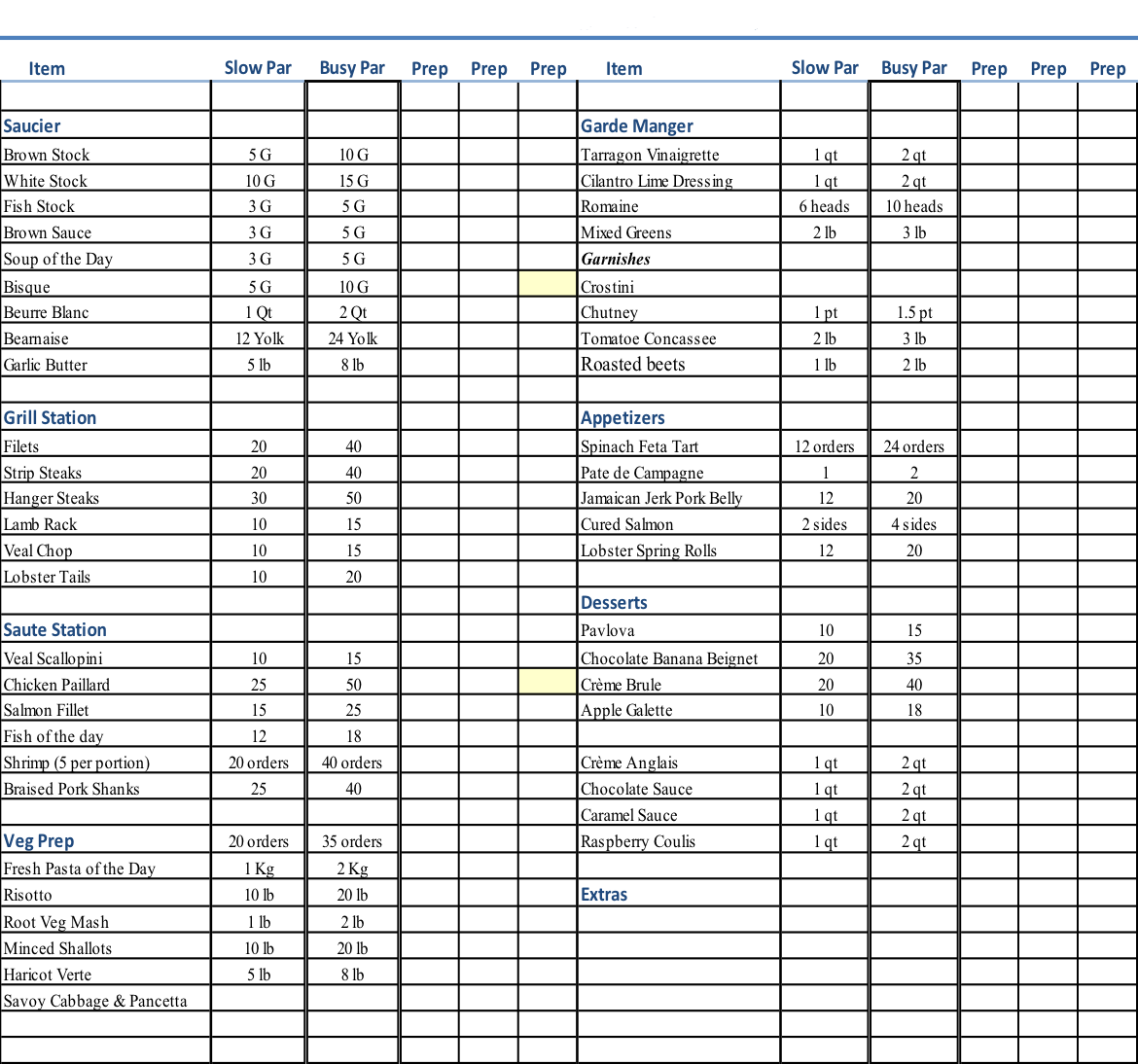
Prep sheets, also called preparation lists, are detailed documents used in professional kitchens to list all the tasks that must be done before service starts. They include ingredients, amounts needed, and the steps to prepare each menu item. These sheets guide kitchen staff to ensure everything is ready for cooking and serving.
Prep sheets make kitchen work more organised by sorting tasks and setting priorities. They show staff what needs to be done, who is responsible for each task, and when it should be finished. This organisation reduces confusion and keeps the kitchen running smoothly, even during busy times. With a clear plan provided by prep sheets, chefs and cooks can work efficiently, using their time well and being productive.
Consistency is also very important in restaurants because it means every dish meets the same high standards every time it is served. Prep sheets help achieve this by giving clear instructions for each ingredient and step of preparation.
This ensures all kitchen staff follow the same methods, so dishes taste, look, and are of the same quality every time. Prep sheets also help keep kitchen operations consistent by standardizing processes and reducing the chance of mistakes. This not only makes dining better for customers but also creates a dependable and united kitchen team.
The Importance of Organisation

Organisation is crucial in a kitchen because it brings several important benefits. First, it helps to minimise food waste. When a kitchen is well organised, chefs can use ingredients efficiently based on their prep sheets and avoid overordering or letting food spoil. This saves money and reduces unnecessary waste.
Secondly, organisation enhances time management. In a busy kitchen, having clear guidelines and priorities outlined in prep sheets helps kitchen staff stay focused on important tasks. This ensures that dishes are prepared and served on time during busy periods, reducing delays and keeping customers satisfied.
Another key benefit of organisation is that it facilitates smooth communication among kitchen staff. When roles and responsibilities are clearly assigned through prep sheets, everyone knows what they need to do and when. This clarity reduces misunderstandings, promotes teamwork, and improves overall efficiency in the kitchen.
Basically, a well-organised kitchen not only minimises food waste and enhances time management but also promotes effective communication among staff. These factors contribute to a more efficient and productive culinary operation, ultimately benefiting both the restaurant and its customers.
With an understanding of what a prep sheet is and how important organisation is, here is a simple guide on how to effectively use a prep sheet:
- Get Familiar with the Template: Start by understanding the layout of the prep sheet. It usually lists ingredients, quantities, preparation steps, and sometimes timing.
- Plan Ahead: Look at the menu and estimate how many orders you expect. Adjust the prep sheet to make sure you have enough ingredients ready.
- Assign Tasks: Clearly assign tasks to kitchen staff. Each person should know what they are responsible for and when it needs to be done.
- Follow the steps: Stick to the preparation instructions on the sheet. This helps keep the way dishes are made consistent.
- Update as You Go: Throughout service, update the prep sheet as tasks are finished or if there are changes in orders or ingredients.
- Review and Learn: At the end of the day or shift, review how well the prep sheet worked. Note any problems or ways to make it better for next time.
Prep sheets are important tools for organising kitchen tasks and ensuring consistency in food preparation. They help streamline operations and minimise errors, leading to smoother service and more satisfied customers. As a restaurant or food business owner, you should explore and customise your own prep sheet to fit your kitchen's unique needs. However, stay tuned for the upcoming release of prep sheets in Open Pantry, with all the information on what you need to buy, what's in stock, preparation instructions, and forecasts on profits and costs.
Frequently asked questions
What is a prep sheet in a professional kitchen?
A prep sheet, also called a preparation list, is a detailed document listing all the tasks that must be done before service starts. It covers the ingredients, the amounts needed and the steps to prepare each menu item, so kitchen staff know everything is ready for cooking and serving when the first orders arrive.
How do prep sheets improve consistency in a restaurant kitchen?
Consistency means every dish meets the same standard each time it is served. Prep sheets support that by giving clear instructions for each ingredient and each preparation step, so all kitchen staff follow the same methods. Dishes then taste, look and perform the same every service, and standardised processes reduce the chance of mistakes.
How do prep sheets reduce food waste and save time?
A well-organised kitchen lets chefs use ingredients efficiently against the prep sheet rather than overordering or letting food spoil, which saves money. Clear guidelines and priorities also keep staff focused on what matters during busy periods, so dishes are prepared and served on time and delays that frustrate customers are avoided.
How do you use a prep sheet effectively during service?
Start by learning the template layout of ingredients, quantities, preparation steps and timing. Plan ahead by estimating expected orders and adjusting quantities. Assign tasks clearly so each person knows their responsibility and deadline. Follow the preparation instructions as written. Update the sheet as tasks finish or orders change, and review it at the end of the shift.
What should be included on a kitchen prep sheet?
The article describes prep sheets as listing ingredients, the quantities required, the preparation steps for each menu item, and sometimes timing. It also notes an upcoming Open Pantry release of prep sheets covering what you need to buy, what is in stock, preparation instructions, and forecasts on profits and costs.


