Turning a first order into a lasting account rests on five habits: personalised communication built on order data, fast and courteous service, loyalty rewards, a consistent brand experience, and content that builds a community. Open Pantry's insights tool shows which restaurants to follow up and when.
Key takeaways
- Order data shows what a restaurant buys most, so offers and emails can be tailored.
- Reach customers on the channels they already prefer rather than the ones you prefer.
- Fast, polite responses to questions and problems build trust over time.
- Loyalty rewards can be discounts, extra items, free services or exclusive access.
- A consistent look, tone and service quality across every channel makes a brand recognisable.
- User-generated content and replies to reviews turn customers into a community.
In this guide 6 sections

Making a good first impression can lead to long-lasting customer relationships. Hence, suppliers must develop practical strategies for their businesses to build strong connections with restaurants and earn their loyalty. Therefore, this article will reveal inside secrets to transform first-time visitors into loyal customers, as well as reveal the crucial role building customer loyalty plays in ensuring a successful wholesale business.
Here are some tips and tricks to turn new customers into returning ones:
Personalized Communication
Personalized communication is about making each customer feel special, and suppliers can do this by understanding what restaurants like through their data, where they can learn things like what they order the most. Then, they use this information to customize emails, offers, and follow-ups. This makes the connection more personal and meaningful.
For instance, if you are a food and beverage supplier and notice a restaurant often buys different types of wine, you can send an email with discounts on a new set of wines in store. This shows that you know what your customers like, and they will appreciate your keen interest.
Also, it is important to choose the right way to talk to the restaurants. You can decide to use email, social media, or something else, but ensure you pick the channels they prefer. This way, the messages reach them where they're most comfortable.
Your supply business should also build a culture of sending follow-up messages, like saying thanks after a purchase, to find out if your service has been satisfactory. All of this personalized communication makes restaurants feel valued and encourages them to remain loyal and develop long-term relationships with your business.
Exceptional Customer Service

Great customer service means making customers feel important and happy every time they deal with your business. If you are a supplier, you must quickly pay attention to restaurants needs whenever they get in touch and find solutions to their problems.
So, when they have questions or issues, it's important to reply as fast as possible and be polite. This not only helps with their immediate concerns, but also shows that your business cares about them. Therefore, doing this all the time builds trust and leaves customers feeling good about their overall experience.
In short, exceptional customer service means doing extra to make restaurants feel heard, valued, and well taken care of. This positive experience encourages them to come back, share good things about your business, and gives your business a good reputation.
Loyalty Programs and Rewards
Suppliers must understand that loyalty programs and rewards are crucial for their businesses to build strong connections with restaurants. These programs are designed to recognize and appreciate their loyalty by offering tangible benefits and special perks. Basically, they encourage restaurants to keep coming back by providing incentives like discounts, additional items for the purchase of one item, or free extra services. So, as customers engage with the business, they can earn points or rewards, acknowledging and reinforcing their commitment over time.
The rewards can range from discounts on future purchases to complimentary items or services. This way, suppliers can show gratitude to restaurants for their loyalty. However, Loyalty Programs often go beyond transactions. For instance, vegetable suppliers can offer loyal restaurants exclusive privileges such as personalized services or exclusive access to their freshest vegetables, making them feel special and important.
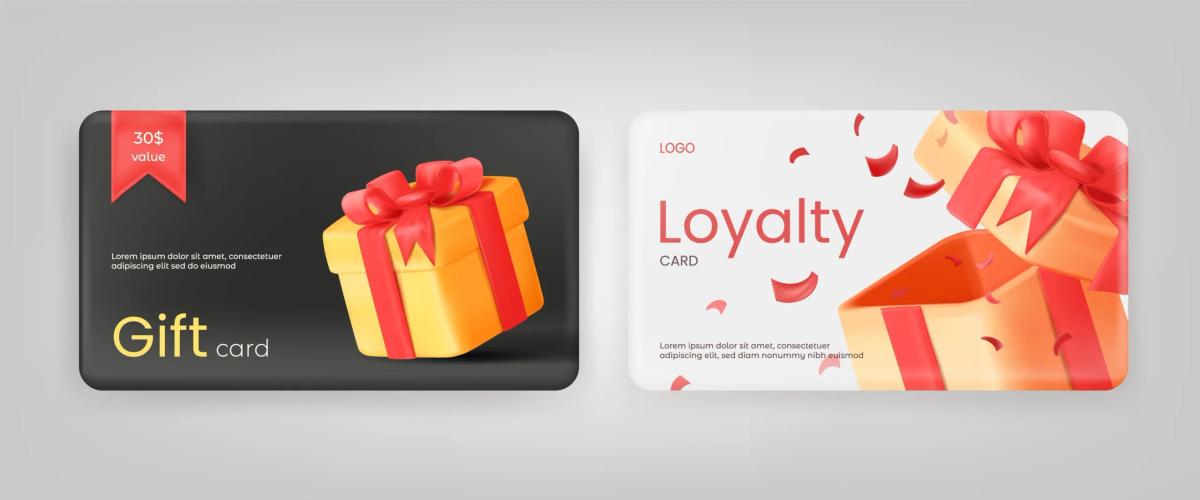
The main goal of loyalty programs is to encourage repeat visits and ongoing engagement. The anticipation of earning more rewards or enjoying exclusive benefits creates a positive cycle, motivating customers to choose your brand consistently. This cycle significantly contributes to long-term customer retention, a crucial factor for business growth.
Consistent Brand Experience
A consistent brand experience involves businesses making sure everything about their brand stays the same and is reliable for customers. It includes how the brand looks, what it says, and the quality of its services. Whether you see the brand on the website, on social media, or in a store, it should always look and feel the same. This helps customers recognize and trust the brand.
For example, the logo, colors, and design should be the same everywhere. The way the brand talks, like the language and tone, should also be the same. This creates a clear and familiar brand voice that customers can understand and trust. And when it comes to service, customers should get the same level of quality whether they're online, in a store, or talking to customer support.
The main goal is to give restaurants a smooth and positive experience at every step, reflecting the supplier's commitment to being reliable and excellent. This consistency helps restaurants feel comfortable and confident, building a strong and lasting connection with your business.
Engaging Content and Community-building
Engaging content and community building typically involve making friends with your customers. You can do this by creating interesting and helpful stuff, like posts, videos, or pictures, that your audience will enjoy. This makes them want to keep coming back for more.
Next, you can also build a community around your brand. This means creating a space where your audience can connect not just with your brand but also with each other. This can happen in social media groups, forums, or other places where people can talk and share ideas.
Suppliers can encourage user-generated content as a way to get involved with the restaurants. Ask them to share their photos or videos of how they use your products and how their customers react to them. This not only makes your content more diverse but also makes your customers feel like they're a part of something special.

It is also important to pay attention to what your customers say. Ask for reviews and respond to them, whether they're good or have suggestions for improvement. This shows you care about what they think. On social media, be active in responding to comments, asking questions, and joining conversations.
By consistently creating interesting content and building a community, you make your audience feel connected to and loyal to your brand. Then, the more connected they feel, the stronger and longer-lasting your brand's community will become.
To keep customers coming back, businesses should be consistent, use loyalty programs, personalize communication, offer excellent service, and create engaging content, which will eventually cultivate lasting relationships and drive sustained growth. Thankfully, Open Pantry's insights tool helps suppliers understand restaurant behavior and find great opportunities to connect. The tool also provides valuable data to gauge their performance and identify opportunities for follow-up, ensuring proactive customer engagement and retention efforts.
Frequently asked questions
How do I turn a first-time customer into a repeat customer?
Make a strong first impression, then build on it. The article recommends personalised communication driven by what the customer actually orders, exceptional service when they get in touch, loyalty programs that reward repeat buying, a consistent brand experience across every channel, and engaging content that builds a community around the business.
What does personalised communication look like for a food supplier?
Use customer data to learn what each restaurant orders most, then tailor emails, offers and follow-ups around it. The example given is a supplier noticing a restaurant regularly buys wine and emailing them a discount on a new range. Choose the channel the customer prefers, and follow up after a purchase to check the service met expectations.
What should a wholesale supplier loyalty program include?
It should recognise repeat buying with tangible benefits: discounts on future purchases, extra items with a purchase, free services, or points earned as the customer keeps buying. The article suggests going beyond transactions too, with exclusive privileges such as personalised service or first access to the freshest produce, so loyal customers feel properly valued.
Why does a consistent brand experience matter to restaurant customers?
Consistency makes a brand recognisable and trusted. The logo, colours and design should be the same everywhere, the language and tone should create one familiar voice, and service quality should not vary between the website, a store and customer support. That reliability leaves restaurants comfortable and confident dealing with you, which builds a lasting connection.
How can a supplier build a community around their brand?
Create content the audience finds interesting and useful, such as posts, videos or photos, then give them a space to connect with each other in social media groups or forums. Encourage customers to share photos of how they use your products, ask for reviews and reply to all of them, and take part in comment threads and conversations.