

How to Transition Restaurant Customers to Digital Ordering
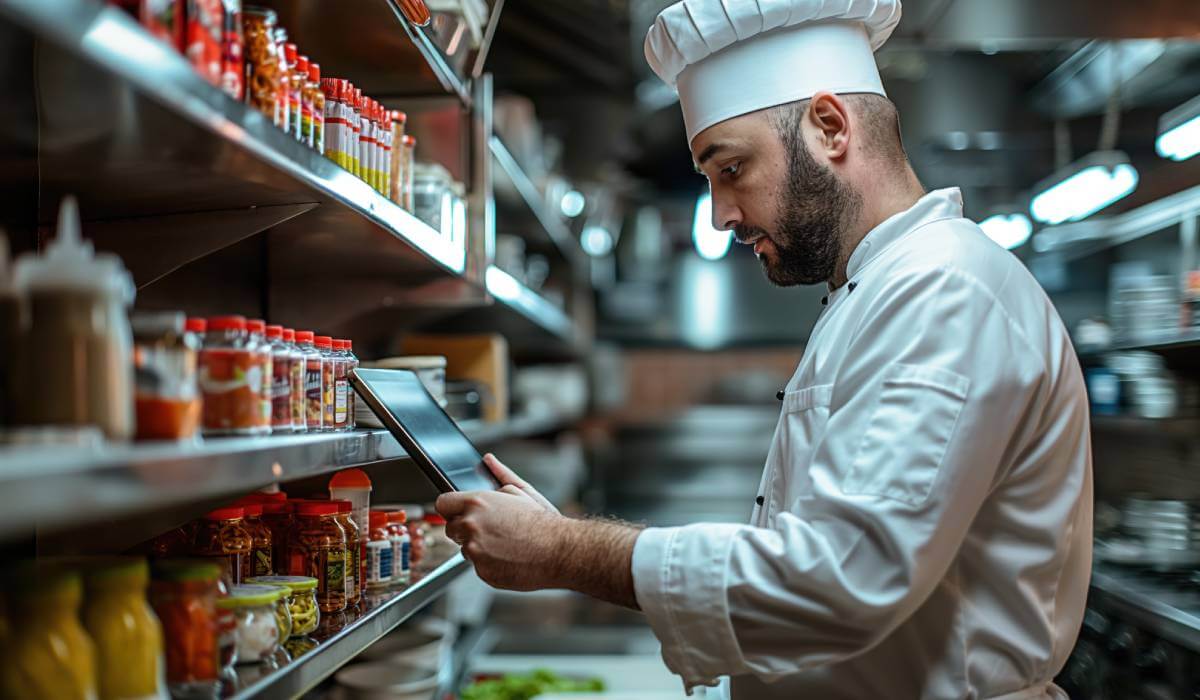
Without Pushback, Complaints, or Lost Orders
Digital ordering does not fail because the technology is weak. It fails when implementation conflicts with how chefs actually work. Rushed rollouts, unclear instructions, or systems that slow down the kitchen create friction, frustration, and resistance. Chefs do not have time to learn new tools; they need to place orders fast, accurately, and without thinking twice.
The key to adoption is not the platform itself but the approach. When digital ordering is intuitive and seamless, chefs use it naturally. This guide presents a practical, low-friction strategy to transition restaurant customers from phone, text, and email ordering to a digital system, ensuring uptake, minimising complaints, and preventing lost orders.
Why Chefs Push Back on New Ordering Systems
It’s About Speed and Risk, Not Technology
Chefs operate under constant pressure. Their hesitation usually comes from fear of disruption rather than dislike of software.
They worry about losing speed during service, struggling to find products, seeing incorrect pricing, or being stuck if something goes wrong late at night. Texting or emailing feels safe because it’s familiar — even if it’s inefficient.
These concerns are almost always based on past experiences with slow, poorly designed platforms. When a system mirrors how chefs already order — fast, repetitive, and mobile — those fears disappear quickly.
How Wholesale Food Suppliers Can Eliminate Manual Orders Forever
Why Digital Ordering Is Critical for Suppliers
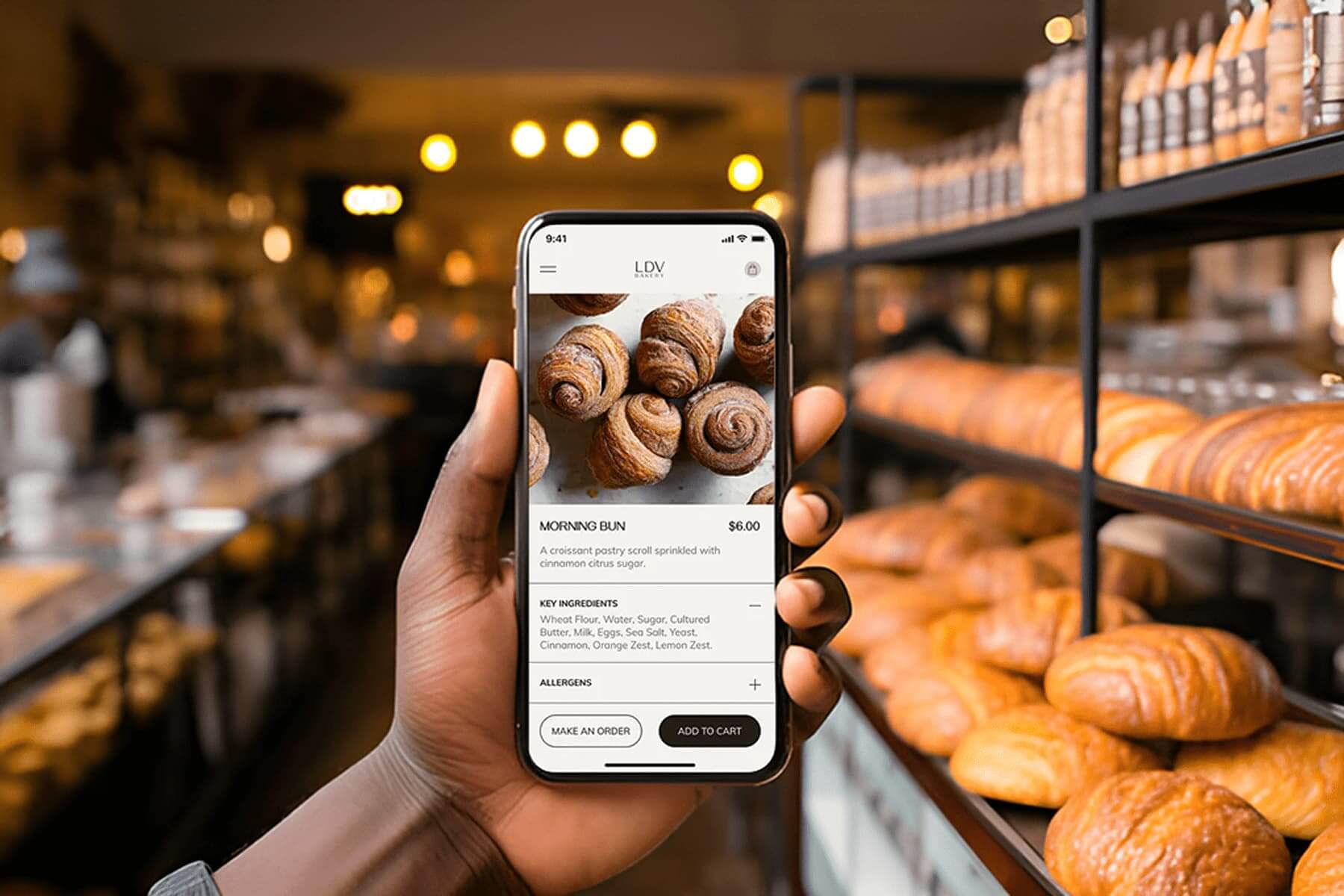
Email and SMS Don’t Scale
Digital ordering isn’t just a nicer way to take orders — it fundamentally changes how a supplier operates.
Orders placed digitally are clearer, more consistent, and far easier to process. Warehouse picking becomes faster, pricing disputes drop, invoicing becomes cleaner, and delivery management improves. Admin workload decreases while reporting and forecasting become far more reliable.
Email and SMS may feel flexible, but they break under scale. Digital ordering creates a stable operational foundation that supports growth instead of holding it back.
Step 1: Start With a System That Feels Effortless
Ordering Should Feel Automatic
The quickest way to create resistance is to introduce a system that feels heavy or unfamiliar.
Most chefs reorder the same products every week. A good platform makes this process almost automatic by remembering favourites, past orders, pricing, and delivery preferences. When a chef can reorder in seconds, the system feels like a shortcut, not a task.
Mobile-first design and speed are non-negotiable. If ordering works seamlessly on a phone, adoption rises dramatically.
Step 2: Use a Soft Transition, Not a Hard Cutover
Let Customers Choose the Better Option
Forcing customers to switch overnight often creates backlash. A soft transition works far better.
Invite customers to try digital ordering while keeping email and SMS available initially. Convert manual orders into the platform behind the scenes so customers can see their order history building automatically.
As chefs experience faster reordering, clearer confirmations, and fewer mistakes, most move to the digital system voluntarily — usually within a few weeks.
What Restaurant Buyers Expect From Suppliers in 2026
Step 3: Personalise the Onboarding Experience

Familiarity Builds Confidence
Generic onboarding increases friction. Personalised onboarding removes it.
When chefs log in and immediately see their usual products, correct pricing, saved favourites, and standard delivery days, the platform feels familiar from day one. That familiarity builds trust and lowers the perceived risk of change.
The goal is simple: make the system feel like it already understands how they order.
Step 4: Focus on Benefits Chefs Actually Care About
Sell Time Saved, Not Software
Chefs don’t care about features. They care about saving time and avoiding mistakes.
Digital ordering resonates when it’s framed around faster reordering, fewer missing items, consistent pricing, clear delivery notes, and the ability to order whenever it suits them. When chefs see the system as a way to remove friction from their day, adoption accelerates naturally.
Step 5: Manage the First Few Weeks Carefully
Early Experience Determines Long-Term Adoption
The first one to three weeks matter more than anything else.
This is when suppliers should monitor orders closely, fix pricing issues immediately, ensure favourites reflect real ordering behaviour, and follow up with short, friendly check-ins. Simple tips can reinforce how fast and easy ordering can be.
Once a chef has placed several successful digital orders, they rarely go back to manual ordering.
How Suppliers Can Use Data to Increase Sales Without Hiring More Reps
Step 6: Let Better Fulfilment Reinforce the Change
Consistency Converts Skeptics
Chefs quickly notice when digital ordering leads to better outcomes. Orders are more accurate, substitutions are clearer, deliveries are more reliable, and invoices match expectations.
When ordering connects directly to picking, delivery, and invoicing, consistency improves across the entire operation. That consistency is often what turns hesitant customers into advocates.
Step 7: Gradually Phase Out Manual Orders
Simplify Without Causing Shock
Once most customers are ordering digitally with confidence, manual channels can be reduced naturally. Email and SMS become exceptions rather than the norm, allowing operations to streamline without upsetting customers.
Suppliers who handle the shift well usually see most orders move online within weeks—because the system feels faster, safer, and more reliable than email or SMS. Open Pantry supports that kind of uptake by mirroring how chefs actually reorder: mobile-first ordering, quick access to frequently purchased items, Pantry Lists for staples, and Recurring Orders that turn weekly buying into a seconds-long task. For suppliers, those structured orders mean fewer errors and pricing disputes, faster picking and fulfilment, less admin, and higher customer satisfaction as manual ordering naturally fades out.
If you want to shift customers off email and SMS ordering—without the pushback—and drive faster adoption with a platform built for real chef workflows, explore Open Pantry or request a demo today.