

Why Chefs Prefer Digital Ordering Over Calls, Texts and Emails
Most suppliers assume chefs resist digital ordering because they prefer phone calls, texts, or emails. But the reality is often different. Chefs are not against technology. They are against tools that slow them down.
A chef finishing service at 11:30 pm does not want to wait until morning to call a supplier, search for an old PDF, or type out a long order email. They want a fast, reliable way to place tomorrow’s order and move on.
When digital ordering is designed well, it can help chefs order faster, reduce mistakes, and avoid unnecessary back-and-forth. That means less stress in the kitchen and a better overall experience. Over time, that improved experience can lead to stronger loyalty.
This article explains why chefs often prefer digital ordering once they start using it, how it can improve their day-to-day workflow, and why suppliers benefit from offering a smoother ordering experience.
Fast Kitchens Need Faster Ordering
Kitchens are high-pressure environments. Chefs are managing prep, service, staffing, food costs, and customer expectations all at once, so ordering needs to be fast, simple, and dependable.
What frustrates chefs most is when ordering creates extra work, including:
- waiting for a supplier to respond
- typing long email orders
- searching for old PDFs or price lists
- dealing with mistakes caused by miscommunication
- unclear pricing
- unreliable cut-off times or lead times
- missing or substituted items without explanation
- inconsistent pricing from one order to the next
A well-designed digital ordering workflow can remove many of these pain points immediately.
How to Transition Restaurant Customers to Digital Ordering
5 Reasons Chefs Prefer Digital Ordering
These benefits often become clear after only a few orders, which is why adoption can grow quickly once chefs give the system a real try.
1. Fast, Easy Ordering
Chefs value speed. A good digital ordering system lets them:
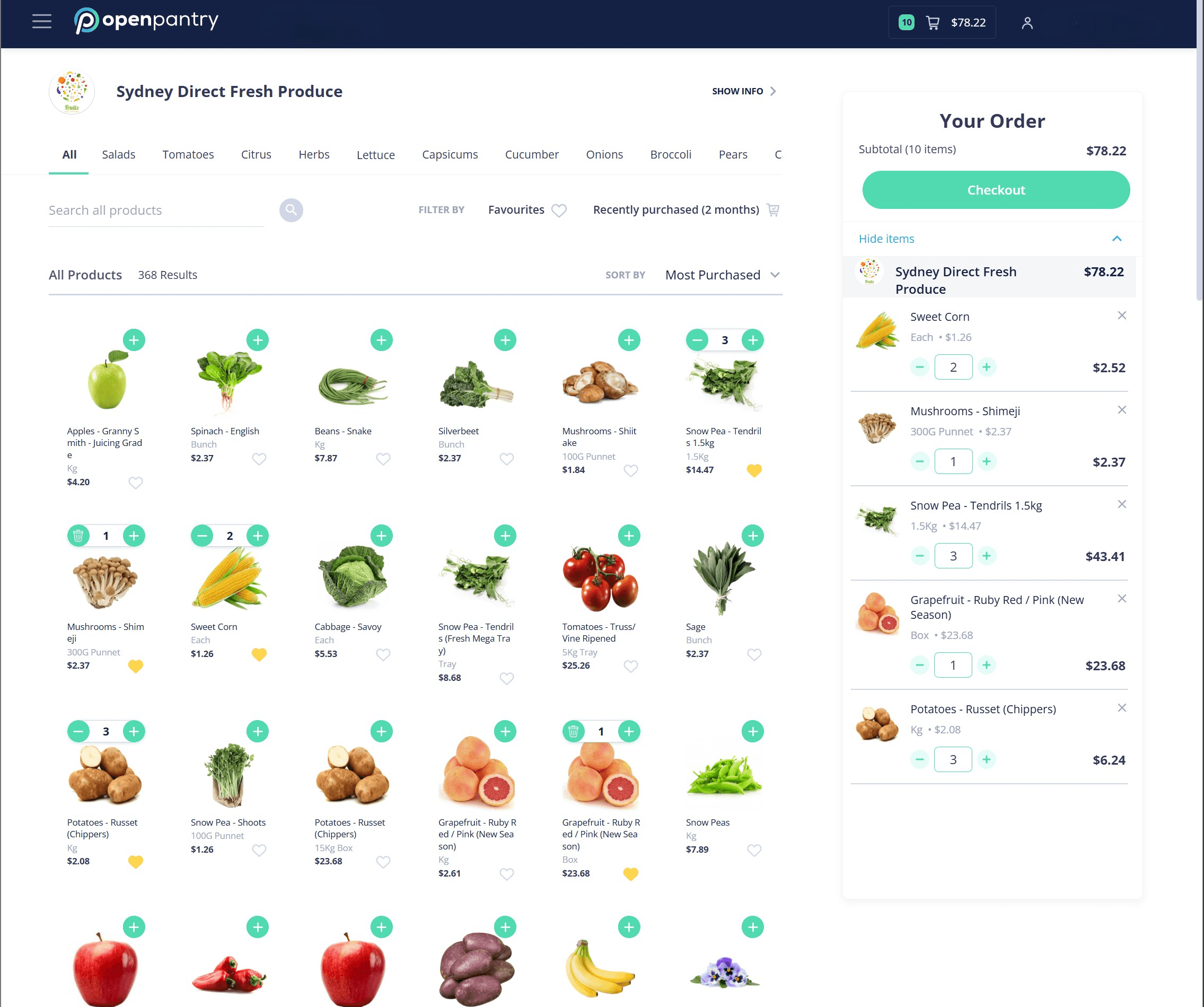
- reorder from previous orders
- use favourites or saved list
- search for products quickly
- add notes to orders
- place orders in just a few taps
- order after service, even late at night
Most kitchens reorder the same core range of products every week. When that process is streamlined, ordering shifts from being a task that interrupts the day to one that fits around it.
Open Pantry supports this with features like favourites, pantry lists, recurring orders, order history, and product browsing filters, which are designed to make repeat purchasing faster.
2. Fewer Errors, Smoother Service
When orders are sent by text or email, errors are easy to make. A chef might type the wrong quantity, use an outdated product name, or leave room for interpretation. If the supplier reads it differently, the wrong item may arrive.
That one mistake can affect prep, service, and menu planning.
Digital ordering helps reduce these issues because chefs are ordering from a structured product list, with product names, units, pricing, and ordering rules shown more clearly. The result is fewer misunderstandings and fewer costly disruptions.
3. Visibility Builds Trust
One of the biggest advantages of digital ordering is greater transparency. Chefs want confidence that what they ordered is what the supplier received.
A good platform can give them visibility over:
- past orders
- current cart details
- delivery date selection
- order status
- pricing and totals
- notes attached to the order
This kind of clarity helps build trust. When chefs can easily check what they ordered and when it is coming, there is less uncertainty and less stress.
What Restaurant Buyers Expect From Suppliers in 2026
4. Predictable Service Builds Loyalty
Chefs do not just want good service. They want predictable service.
Digital ordering creates consistency by standardising the process. The same products appear the same way each time. Pricing rules are applied more consistently. Orders follow a familiar flow. That reliability matters.
Consistency makes a supplier easier to work with, and suppliers who are easier to work with are often more likely to keep customers longer.
5. Less Confusion, Faster Fixes
No supplier gets through every day without a stock issue, shortfall, or substitution. What matters most is how quickly the problem is identified and handled.
Digital workflows can make issue resolution easier because order details are centralised and easier to review. Teams can check what was ordered, what was supplied, and what notes were attached. That helps reduce confusion and speeds up follow-up when something goes wrong.
Easy Ordering Builds Loyalty
Chefs change suppliers for many reasons, but poor service and inconsistent communication are two of the biggest.
Suppliers that make ordering fast, clear, and consistent are much harder to replace. When chefs can order quickly, avoid mistakes, and trust the process, they are more likely to stay loyal.
How to Build a Digital Product Catalogue That Increases Buyer Spend
Better Ordering Benefits Suppliers Too
The benefits are not only on the chef’s side. Better ordering can also mean:
- more accurate orders
- less admin
- fewer disputes
- smoother fulfilment
- stronger customer relationships
- better retention
Digital ordering is not just a convenience feature. It also helps suppliers run a more efficient operation and keep customers for longer.
Digital Ordering Supports Long-Term Loyalty
Digital ordering does not replace relationships. It strengthens them.
Chefs still value great service, flexibility, and communication. But they also want systems that save time, reduce mistakes, and help the kitchen run smoothly. Suppliers that offer that experience are more likely to keep their customers over the long term.
See how Open Pantry helps suppliers give chefs a faster, easier ordering experience