

Why Digital Ordering Makes Chefs Happier and More Loyal

Chefs do not avoid digital ordering because they dislike technology. They avoid systems that feel slow, confusing, or unreliable.
Most chefs are not looking for more ways to place orders. They are looking for the easiest way to get the right products, at the right price, on the right day, without wasting time. When ordering is faster and clearer, chefs are happier. When that experience stays consistent, they become more loyal.
This is where suppliers can create a real advantage. Open Pantry helps suppliers give chefs a smoother digital ordering experience with personalised product visibility, accurate pricing, faster reordering, and clearer fulfilment.
Why Ordering Frustrates Chefs
Ordering should be simple. But for many kitchens, it is still more manual than it needs to be.
Chefs often place orders while managing prep, staff, service, and supplier issues at the same time. If they need to search old PDFs, rewrite the same order every week, chase prices, or follow up on missing items, ordering becomes another source of stress.
The issue is usually not the chef. And it is usually not the relationship with the supplier.
It is the workflow around the order.
Why Chefs Prefer Digital Ordering Over Calls, Texts and Emails
What Chefs Want from Ordering
Chefs want ordering to feel fast, predictable, and easy to trust.
They want to find regular items quickly. They want to know the pricing is correct. They want confidence that what they ordered is what will be picked, delivered, and invoiced.
When that happens, ordering stops feeling like an admin and starts feeling effortless.
1. Faster Ordering Saves Time
Most chefs order many of the same products every week.
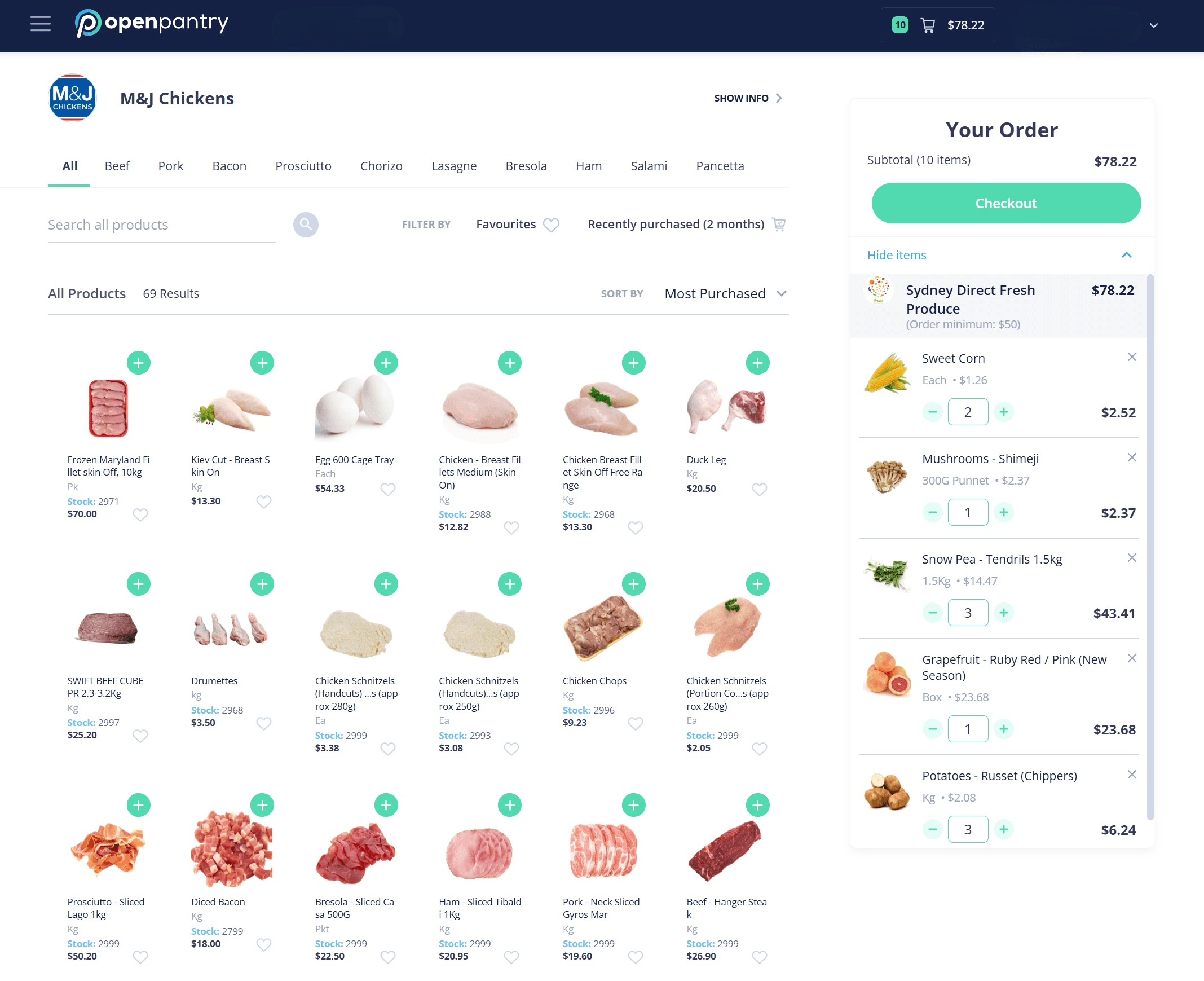
That is why digital ordering works so well when it is designed properly. Instead of typing out long messages or rebuilding an order from scratch, chefs can reorder from past purchases, tap favourites, and submit an order in far less time.
What this means for suppliers?
Suppliers make it easier for customers to order more consistently and with less friction.
Why it works?
The less effort it takes to place an order, the more likely chefs are to keep using the system.
2. Fewer Errors, Less Disruption
Manual ordering creates too many opportunities for mistakes.
A product name might be unclear. A quantity might be misread. A pack size might be assumed incorrectly. One small error can quickly turn into a kitchen problem, a warehouse repick, or a delivery dispute.
Digital ordering reduces this risk because chefs are selecting from structured product information instead of relying on free-text messages.
What this means for suppliers?
Suppliers receive cleaner orders with fewer misunderstandings and less back-and-forth.
Why it works?
When products, pack sizes, and pricing are already built into the ordering process, accuracy improves before fulfilment even begins.
How to Transition Restaurant Customers to Digital Ordering
3. Better Visibility, More Trust
Chefs want clarity.
They want to know what they ordered, what it costs, what is arriving, a
nd whether anything has changed. When that information is hard to access, confidence drops and follow-up calls increase.
A strong digital ordering workflow gives chefs better visibility from the start. That includes accurate pricing, product visibility, order history, and clearer delivery expectations.
What this means for suppliers?
Suppliers spend less time answering basic order questions and more time delivering a reliable experience.
Why it works?
Transparency reduces uncertainty, and less uncertainty means stronger customer trust.
4. Consistency Builds Loyalty
Loyalty is often built on consistency.
Chefs are more likely to stick with suppliers who make ordering feel the same every time. If the process is predictable, if the pricing is clear, and if communication is easier, the supplier becomes easier to rely on.
That consistency matters more than many suppliers realise. In a busy kitchen, convenience is a major reason customers stay.
What this means for suppliers?
Suppliers with a smoother ordering experience are harder to replace.
Why it works?
When chefs know what to expect every time they order, the relationship feels more dependable.
What Restaurant Buyers Expect From Suppliers in 2026

5. Faster Problem Resolution
No supplier avoids every stock issue, shortage, or substitution.
What matters is how clearly and quickly those issues are handled. When order information is centralised, changes are easier to track, substitutions are easier to communicate, and fulfilment teams can respond with better accuracy.
That creates a better experience even when something goes wrong.
What this means for suppliers?
Suppliers can resolve issues faster and with fewer disputes.
Why it works?
Chefs are far more forgiving when problems are handled clearly and efficiently.
How Open Pantry Helps Suppliers
Open Pantry helps suppliers reduce friction across the entire ordering workflow.
Suppliers can give each customer a personalised ordering experience with the right products, the right pricing, and a faster way to reorder. Orders flow more cleanly into fulfilment, warehouse teams work from better information, and delivery and invoicing stay more aligned.
The result is a better experience for chefs and a more efficient workflow for suppliers.
A Better Ordering Experience
Chefs stay loyal to suppliers who make their lives easier.
When ordering is simple, accurate, and reliable, it creates a better experience in the kitchen and a stronger relationship over time. Suppliers benefit from fewer mistakes, smoother operations, and customers who are more likely to keep coming back.
Digital ordering is not just about efficiency. It is about delivering a better customer experience at every step.
To see how Open Pantry helps suppliers create that experience, visit the Open Pantry supplier platform.