

When Is the Right Time to Invest in Wholesale Supplier Software?

If you've been thinking about moving to a proper wholesale management platform but haven't pulled the trigger yet, there's a good chance you've said something like one of these to yourself:
"We'll do it when we're a bit bigger."
"Now's not the right time — we're too busy."
"I don't want to change things while the business is growing."
"Let's get through this quarter first."
These aren't unreasonable thoughts. Change takes time and energy, and both are scarce when you're running a wholesale food operation. But there's a pattern worth examining: the suppliers who wait for the "right time" often find it never quite arrives. The business gets busier, the systems get more entrenched, and the switch becomes harder with every passing month.
The "We'll Do It Later" Trap
The problem with waiting until the pain is unbearable is that by the time it reaches that point, you're in the worst possible position to make a change.
When a business is under stress — errors piling up, orders getting missed, staff stretched thin — it doesn't have the bandwidth to run a software evaluation, set up a new platform, migrate data, and onboard a team. Those things take focus and headspace. So the switch gets deferred again. "When things calm down a bit."
This is the trap. The chaos that makes you desperately need better software is the same chaos that makes it feel impossible to implement it. Suppliers who make the switch successfully almost always do it slightly before the pressure becomes critical — not in the middle of a crisis, but in a period of manageable growth where they have the capacity to do it properly.
The counterintuitive reality is that the best time to invest in better systems is when things are going reasonably well, not when they're falling apart.
The Real Cost of Manual Order Management in a Wholesale Food Business

Signs It's the Right Time Now
These aren't thresholds you have to hit all at once, but if several of them apply to your business, the window for a smooth transition is probably open right now.
- You're processing more than around 20 orders a week manually. Below this level, a well-organised spreadsheet can genuinely keep up. Above it, the fragmentation and error risk starts compounding. Twenty orders a week is roughly the point where the manual approach starts adding meaningful overhead rather than just working.
- You're adding new delivery customers regularly. If your customer base is growing, the complexity of your manual system is growing with it. This is the moment to build the right foundation — before those customers are deeply embedded in your existing (manual) workflows.
- More than one person is touching orders. As soon as order management becomes a shared responsibility, data consistency becomes a risk. Multiple people maintaining their own understanding of "the system" is how errors multiply and how you end up with shadow spreadsheets.
- You're thinking about hiring someone for admin. Before you hire to support a manual process, it's worth asking whether software could do the job instead — or at least significantly reduce the headcount you need. A new hire costs $50,000–$70,000 a year in Australia once you account for wages, super, and on-costs. That's a very different ROI conversation compared to a software subscription.
- You've had a bad month for errors. A cluster of order errors is often the first visible sign that your system is under strain. It's a useful signal, but it's also a window — you're primed to make a change, your team is motivated to fix things, and the problem is fresh enough to diagnose. Don't let that window close without acting on it.
The Hidden Cost of Spreadsheets for Wholesale Suppliers

Signs You Might Genuinely Be Too Early
Not every business is ready for wholesale management software, and it's worth being honest about this.
If you're processing fewer than 10–15 orders a week from a small number of customers, a well-organised spreadsheet is probably still the right tool. The overhead of learning and configuring a new platform might not pay off at that scale, and the simplicity of a spreadsheet is genuinely an advantage when your operation is small enough for one person to hold the whole picture in their head.
Similarly, if you're in the very early stages of building out your wholesale channel — still testing whether the market wants your product, still working out your pricing and delivery model — investing heavily in software infrastructure before the model is proven isn't necessarily wise. There's a difference between building good systems for a growing business and over-engineering a business that's still finding its feet.
The Switching Cost Myth
One of the most common objections to making the switch is the perceived cost and disruption of migration. "All our data is in the spreadsheet. It'll take months to move everything over. Our customers are used to how we do it now."
The reality is usually less daunting than the anticipation. Your product catalogue can be imported in a matter of hours. Your customer list is typically a straightforward upload. Your historical order data, in most cases, doesn't need to be migrated at all — it exists in the spreadsheet as a reference, and the new platform starts clean from your go-live date.
As for customers adapting: the suppliers who make this switch consistently report that customer adoption is faster than expected, particularly when the new ordering experience is genuinely simpler than calling. Most restaurant and café operators are not attached to the experience of phoning in an order. They do it because it's the only option. Give them a better option and most of them will take it.
The switching cost is also lower now than it will be in two years. The more orders you process through a manual system, the more ingrained the habits become — yours, your team's, and your customers'. Switching before those habits are deeply set is easier than switching after.
Wholesale Order Management for Foodservice Suppliers
What a Smooth Onboarding Looks Like
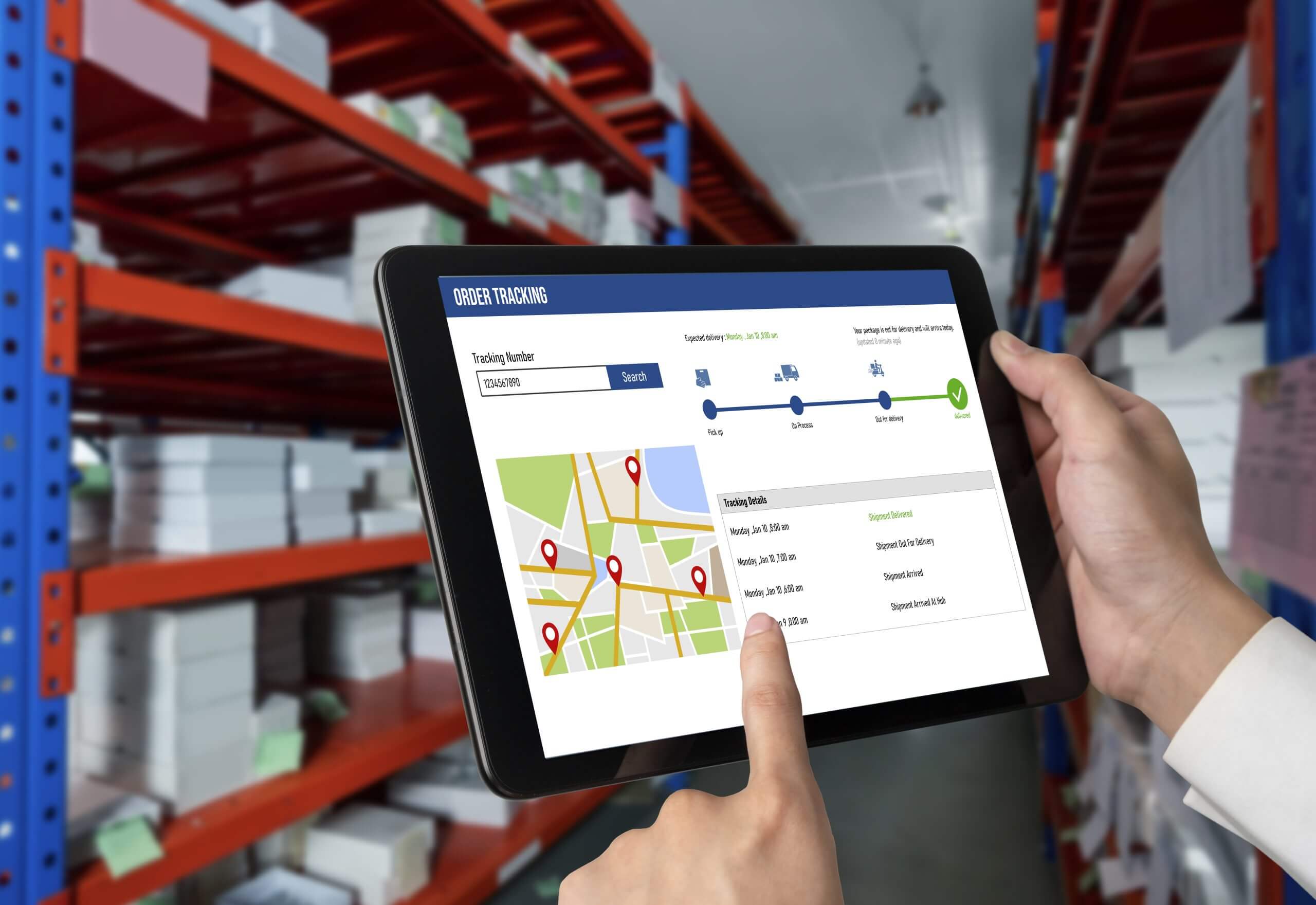
A well-designed wholesale platform for food suppliers shouldn't require months of implementation or a dedicated project team. The setup process should be straightforward enough that you can import your product catalogue, configure your delivery zones and cutoff times, invite your customers, and start processing real orders within a week or two.
The early days won't be perfect. You'll probably have questions. Some customers will need a brief walkthrough. But within a few weeks, the volume of orders flowing through correctly should make the teething period feel worthwhile.
The goal isn't a flawless transition — it's a business that runs more smoothly on the other side of it. And the further you wait, the longer you're running on the old system.
Open Pantry is designed to be quick to set up — most wholesale food suppliers are processing real orders within a week of signing up.
If you're wondering whether now is the right time for your business, we're happy to have that conversation honestly. Book a free demo today!