wholesale ordering

Open Pantry Blog

Best Restaurant Food Costing Software in Australia: How to Choose in 2026

The best restaurant food costing software in Australia prices recipes from what your suppliers actually charge, re-costs every dish when a price moves, and handles sub-recipes, yields and sales. The 2026 shortlist is Restoke, Loaded, MarketMan, Apicbase and Open Pantry, from a one-off $99 to $250 a month, plus free calculators.
Read more: Best Restaurant Food Costing Software in Australia: How to Choose in 2026

Compare Open Pantry with Ordermentum, Fresho, FoodByUs and others

June 23, 2026

The Real Cost of Manual Order Management in a Wholesale Food Business

By Gelou Jimeno · AI order entry & automation
Manager handling manual order paperwork.
Manual order management costs a wholesale food business across five areas: admin time, order errors, a growth ceiling, hidden customer churn and opportunity cost. Two hours a day of order admin equals roughly $14,560 to $18,200 a year, and a 3% error rate on 100 orders a week can add $7,500 to $15,000 more.
Read more: The Real Cost of Manual Order Management in a Wholesale Food Business
June 21, 2026

How to Choose Wholesale Supplier Software: 7 Questions to Ask Before You Commit

By Gelou Jimeno · Comparisons & alternatives
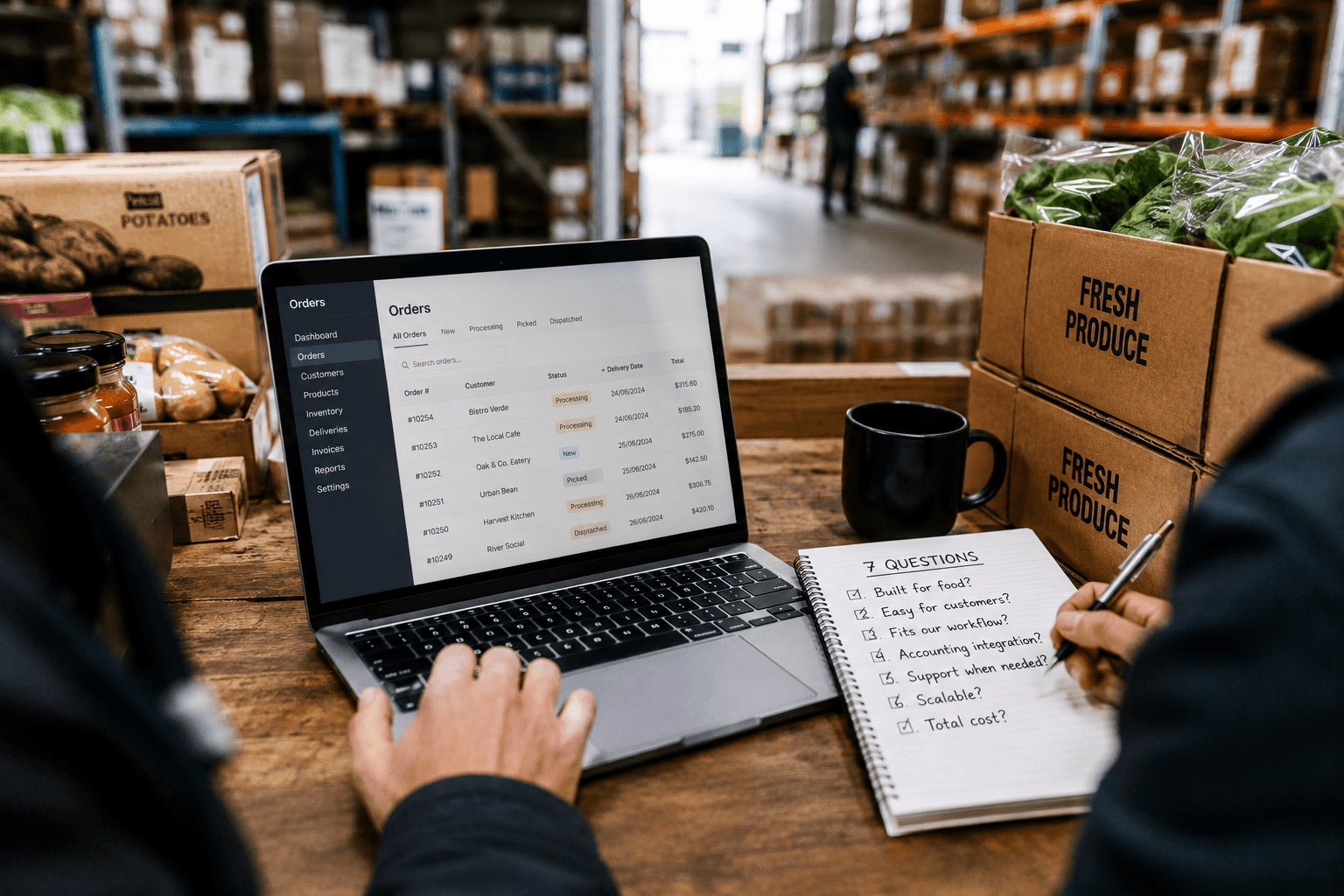
Laptop showing wholesale order software beside a checklist and fresh produce.
Before committing to wholesale supplier software, ask seven questions: was it built for food or adapted, can customers use it unaided on a phone, does it handle order to pick to pack to deliver, will it sync with Xero, MYOB or QuickBooks, what does support look like, will it scale, and what is the full first-year cost.
Read more: How to Choose Wholesale Supplier Software: 7 Questions to Ask Before You Commit
June 20, 2026

Signs Your Wholesale Food Business Has Outgrown Spreadsheets

By Gelou Jimeno · Reporting & operations
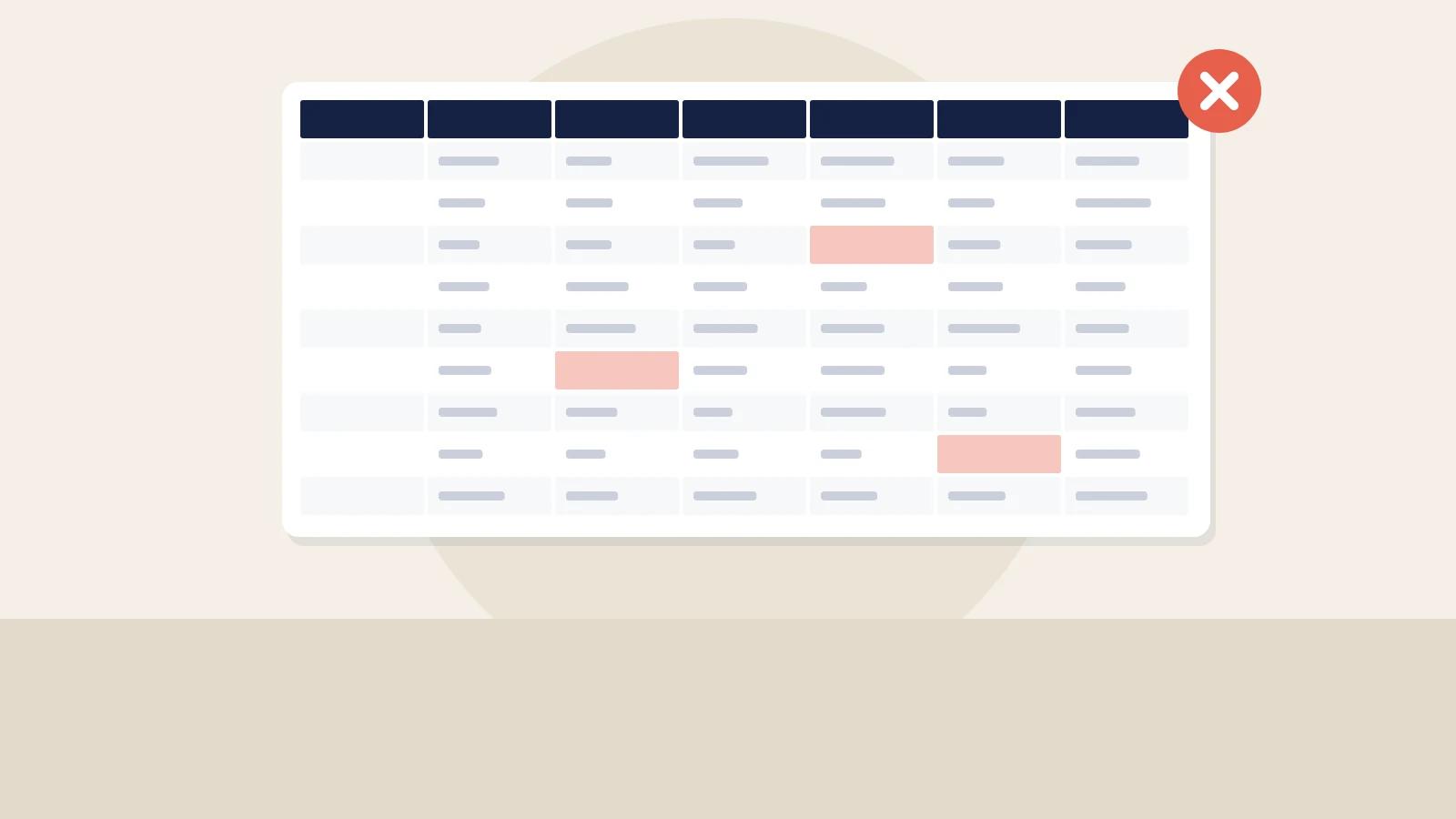
Illustration of a crowded spreadsheet with highlighted error cells and a red cross.
Your spreadsheet is not broken; the business has outgrown it. The warning signs are maintaining the sheet taking more time than running orders, rising untraceable errors, staff keeping shadow copies, orders arriving on every channel, basic questions being hard to answer, cut-off times slipping, and only one person able to operate it safely.
Read more: Signs Your Wholesale Food Business Has Outgrown Spreadsheets
June 18, 2026

Why Customer-Specific Pricing Is Essential for Supplier Profitability

By Gelou Jimeno · Pricing, catalogues & promotions
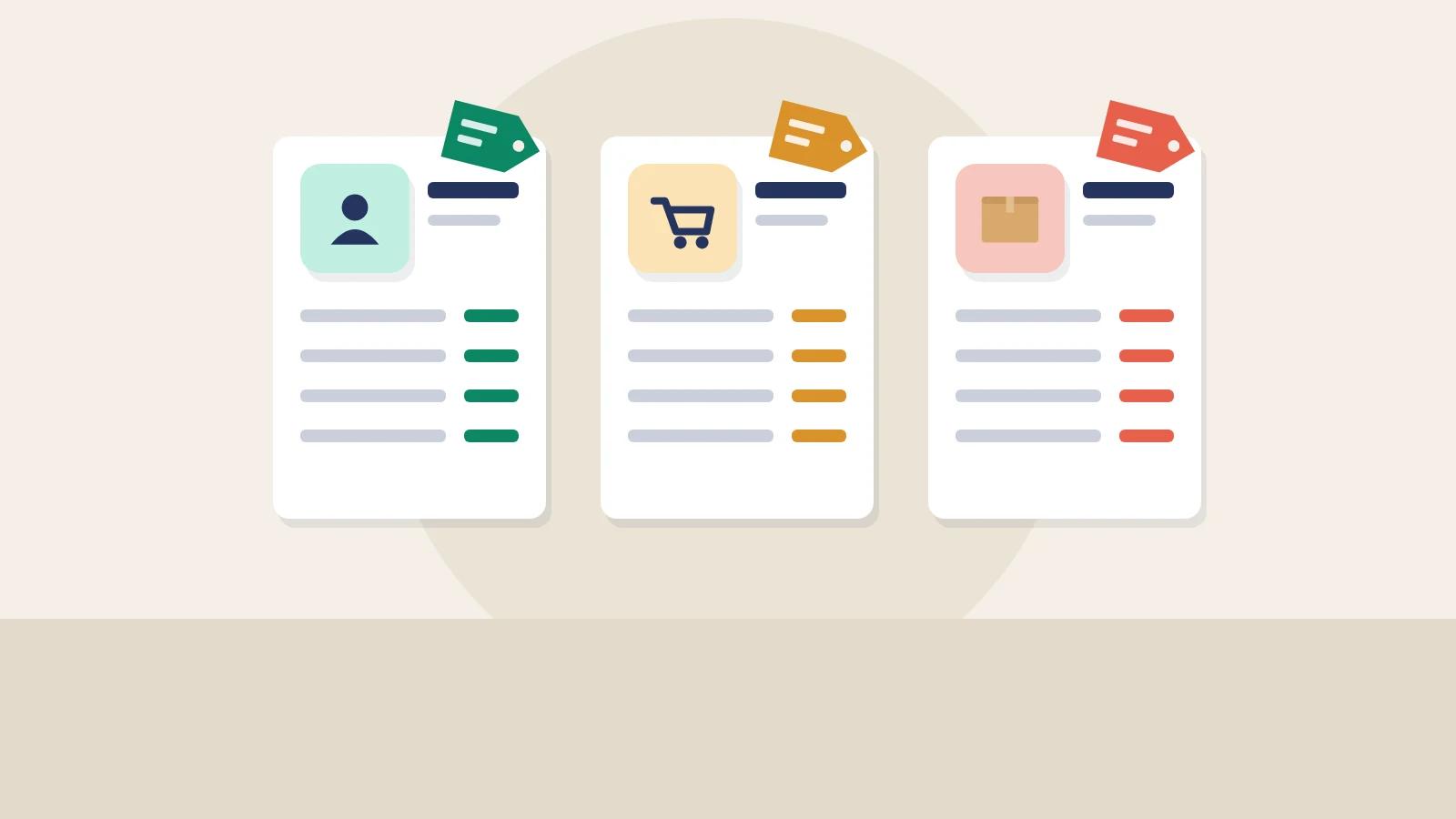
Illustration of three customer cards, each with its own price list and price tag.
Customer-specific pricing lets suppliers match price to the commercial relationship, rewarding volume while protecting margin on smaller accounts. It only works when it is controlled: prices held in spreadsheets, emails or staff memory drift, and drifting prices mean unreliable margins, invoice disputes and discounts that continue long after they should have ended.
Read more: Why Customer-Specific Pricing Is Essential for Supplier Profitability
June 17, 2026

How Delivery Run Optimisation Saves Suppliers Time and Money

By Gelou Jimeno · Delivery & logistics
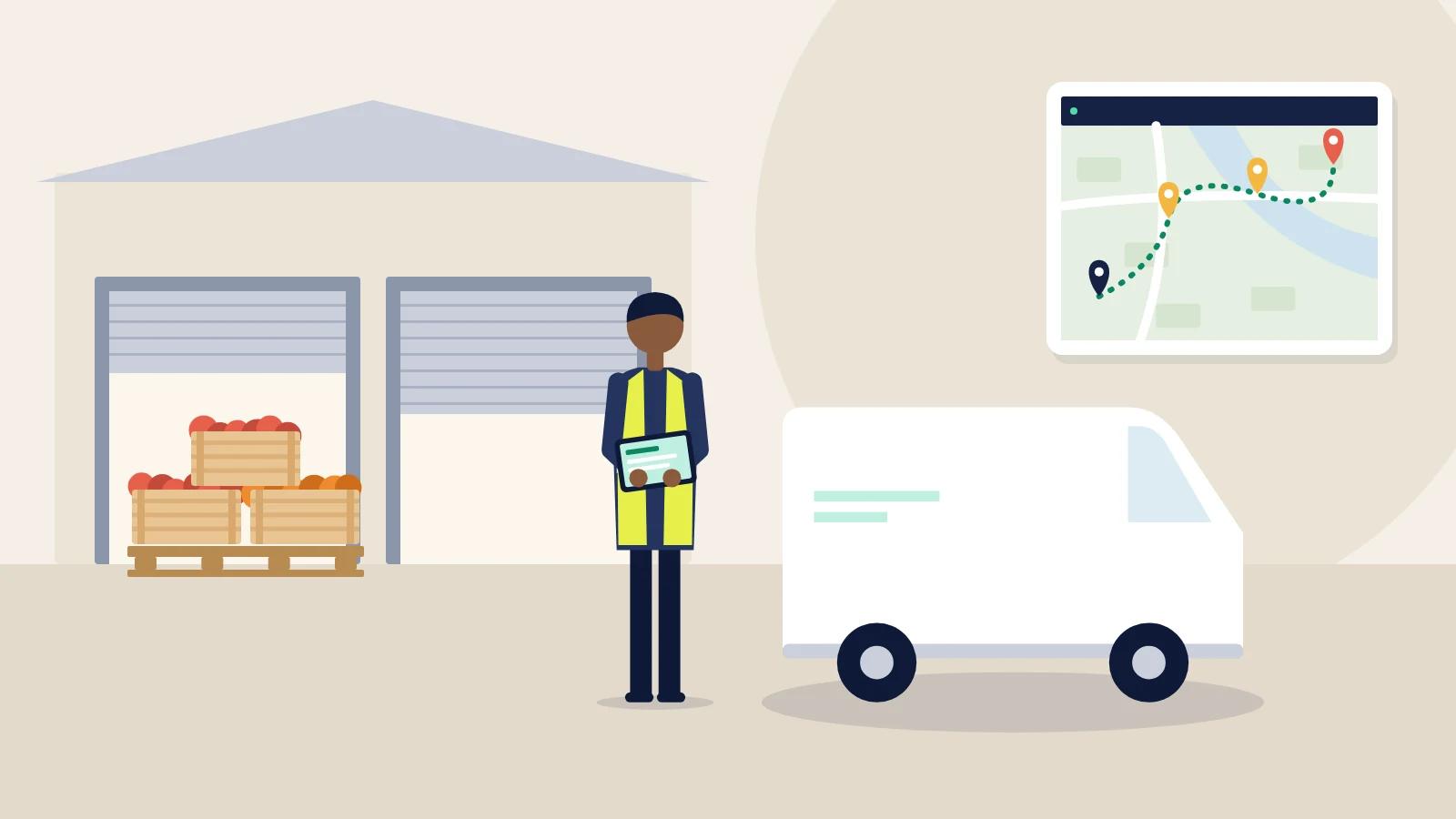
Illustration of a delivery van at a food warehouse with an optimised route map above.
Delivery run optimisation uses live order data to build routes around suburbs, postcodes, delivery windows, vehicle capacity, driver availability, warehouse readiness and traffic. It lowers fuel and vehicle costs, shortens driver days, gives chefs consistent delivery times, organises pick lists by run, reduces failed deliveries and produces cleaner invoices with fewer disputes.
Read more: How Delivery Run Optimisation Saves Suppliers Time and Money
June 15, 2026

How To Transition A Warehouse From Paper Pick Slips To Digital Picking

By Gelou Jimeno · Warehouse, picking & fulfilment
Man using a tablet in a warehouse.
Move a warehouse from paper pick slips to digital picking in eight steps: map the existing workflow, clean the order data, train staff on the basics, run paper and digital together for one to two weeks, adopt zone or run-based picking, connect picking to delivery and invoicing, use the live data, then retire paper with support in place.
Read more: How To Transition A Warehouse From Paper Pick Slips To Digital Picking
June 14, 2026

Digital Picking for Wholesale Food Suppliers

By Gelou Jimeno · Warehouse, picking & fulfilment
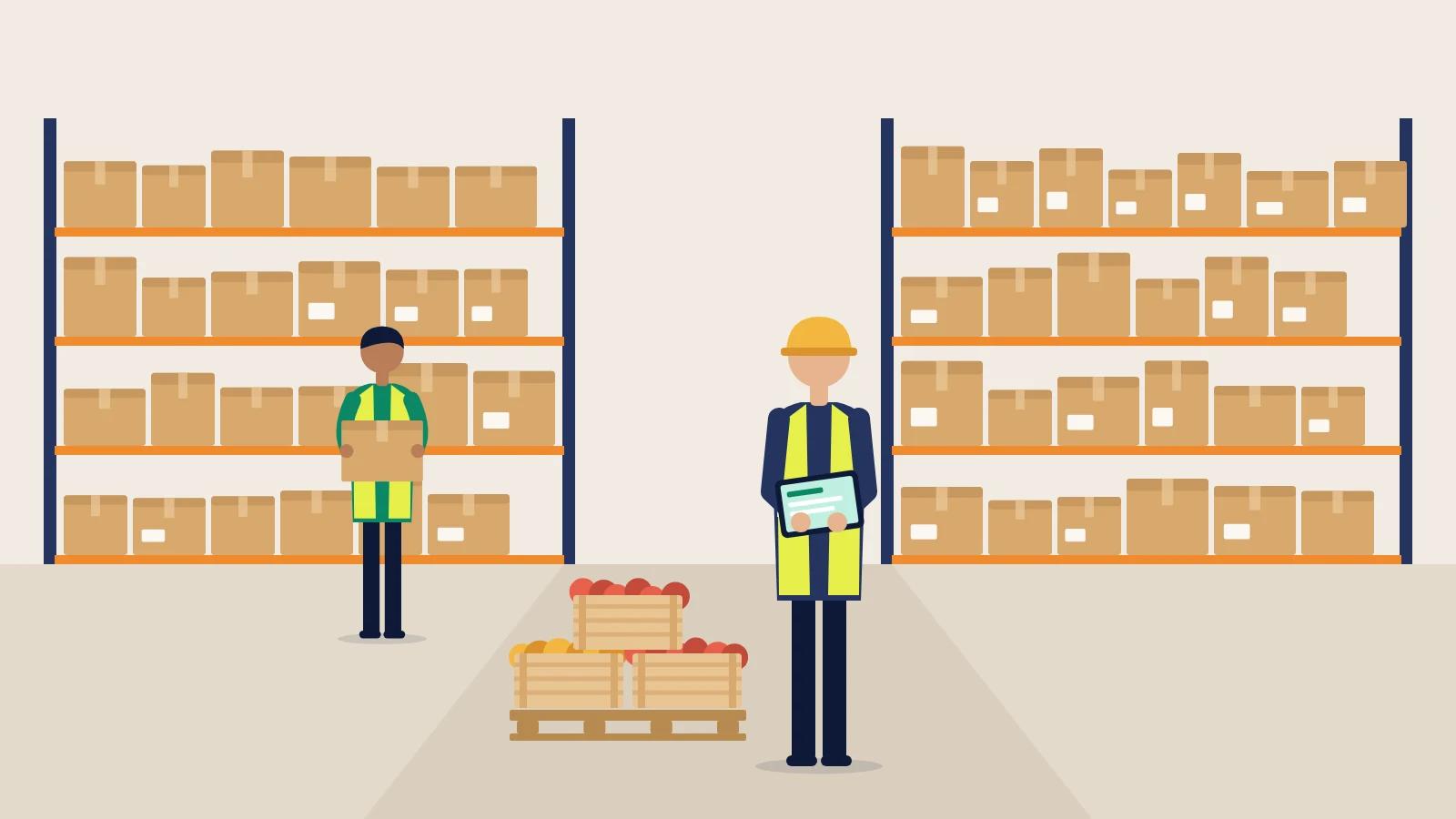
Illustration of warehouse pickers using a tablet and picking cartons from racking.
Digital picking replaces paper pick slips with live pick lists that update in real time, organise products automatically, record substitutions and shortages, sync with delivery runs and support faster invoicing. Suppliers move across in eight steps, starting with the warehouse workflow rather than the software and keeping paper as a fallback briefly.
Read more: Digital Picking for Wholesale Food Suppliers
June 12, 2026

The Real Cost of Manual Order Entry for Foodservice Suppliers

By Gelou Jimeno · AI order entry & automation
A problematic supplier holding his head.
Manual order entry costs foodservice suppliers far more than the typing. Re-keying orders from email, SMS, WhatsApp and handwritten notes creates wrong pack sizes, incorrect quantities, missed notes and pricing mistakes, consumes admin labour, slows the warehouse, buries orders across channels and makes growth depend on adding admin hours.
Read more: The Real Cost of Manual Order Entry for Foodservice Suppliers
June 11, 2026

The Link Between Picking Accuracy and Customer Retention

By Gelou Jimeno · Warehouse, picking & fulfilment
Worker picking items from warehouse shelves with a clipboard.
Picking accuracy is a retention strategy, not just a warehouse metric. Chefs plan prep around orders arriving correctly, and most kitchens will not complain twice; they reduce orders or move on. Centralised orders, live digital pick lists, customer-specific catalogues and digitally recorded substitutions remove the causes of mispicks.
Read more: The Link Between Picking Accuracy and Customer Retention
June 9, 2026

Why Digital Ordering Makes Chefs Happier and More Loyal

By Gelou Jimeno · Customer growth & retention
Smiling chef holding white tea cup.
Chefs are not avoiding technology; they avoid ordering that feels slow, confusing or unreliable. Digital ordering makes them happier by cutting the time to reorder regular items, reducing errors through structured product information, giving visibility over pricing and delivery, staying consistent every week, and making stock issues quicker to resolve.
Read more: Why Digital Ordering Makes Chefs Happier and More Loyal
June 8, 2026

Why Chefs Prefer Digital Ordering Over Calls, Texts and Emails

By Gelou Jimeno · Order capture & cut-offs
A chef holding a tablet.
Chefs are not against technology; they are against tools that slow them down. Once they try a well-designed ordering system, most prefer it for five reasons: fast reordering at any hour, fewer errors from a structured product list, visibility over orders and pricing, predictable service, and quicker resolution when something is short.
Read more: Why Chefs Prefer Digital Ordering Over Calls, Texts and Emails
June 6, 2026

How to Reduce Order Errors Without Hiring More Staff

By Gelou Jimeno · Warehouse, picking & fulfilment
Staffs working inside the warehouse.
Order errors come from a fragile workflow, not careless staff. Suppliers cut them without hiring by centralising every order channel into one system, giving each customer a personalised catalogue, running digital pick lists that update with changes, recording substitutions and shortages digitally, invoicing from proof of delivery, and reviewing weekly error trends.
Read more: How to Reduce Order Errors Without Hiring More Staff
June 5, 2026

Wholesale Food Ordering Automation Guide (2026)

By Gelou Jimeno · AI order entry & automation
Man wearing black apron writing on a notebook.
This guide sets out seven parts of the wholesale ordering workflow suppliers should automate: order intake consolidation, customer-specific pricing and product visibility, cut-off reminders and confirmations, pick list generation, delivery run planning, digital proof of delivery with automated invoicing, and reporting. Together they cut admin, protect margins and support growth without extra headcount.
Read more: Wholesale Food Ordering Automation Guide (2026)
June 3, 2026

The Hidden Cost of Spreadsheets for Wholesale Suppliers

By Gelou Jimeno · Reporting & operations
Stressed worker checking an inventory spreadsheet with error pop-ups.
Spreadsheets feel free, but in wholesale foodservice they cost margin leakage from prices that drift, order entry errors that ripple through the warehouse, version chaos across multiple sources of truth, key-person dependency, delayed invoicing and slower cash collection, and stock counts that drift far enough to cause oversells and emergency buying.
Read more: The Hidden Cost of Spreadsheets for Wholesale Suppliers
June 2, 2026

How to Transition Restaurant Customers to Digital Ordering

By Gelou Jimeno · Order capture & cut-offs
Chef checking inventory on a tablet in a commercial kitchen.
Digital ordering rollouts fail on implementation, not technology. Move restaurant customers across with a low-friction approach: a mobile-first system that remembers favourites and past orders, a soft transition rather than a hard cutover, personalised onboarding, benefits framed as time saved, close attention in the first weeks, then phasing manual channels out.
Read more: How to Transition Restaurant Customers to Digital Ordering
May 31, 2026

How Centralised Orders Improve Warehouse Efficiency Fast

By Gelou Jimeno · Warehouse, picking & fulfilment
Busy warehouse with fresh produce and staff.
Centralising orders into one digital platform is among the fastest ways to lift warehouse efficiency, often within days. It standardises order formatting, syncs office and warehouse in real time, generates pick lists by run or zone, eases the morning rush, gives drivers accurate run sheets, matches invoices to deliveries and improves stock accuracy.
Read more: How Centralised Orders Improve Warehouse Efficiency Fast
May 30, 2026

How Suppliers Can Use Data to Increase Sales Without Hiring More Reps

By Gelou Jimeno · Reporting & operations
Illustration of a map of customer locations and a sales chart.
Wholesale suppliers can grow revenue from the order data they already hold rather than by hiring reps. Three measures do most of the work: customer activity trends, product performance and category contribution. Used together they flag at-risk accounts early, surface cross-sell opportunities, sharpen stock planning and focus attention where revenue is actually moving.
Read more: How Suppliers Can Use Data to Increase Sales Without Hiring More Reps
May 28, 2026

What Restaurant Buyers Expect From Suppliers in 2026

By Gelou Jimeno · Customer growth & retention
A woman chef standing proudly in a kitchen.
Restaurant buyers in 2026 expect ordering that works whenever they do, pricing that matches agreed rates and shows at checkout, real-time stock visibility, clear delivery communication, transparency about changes and credits, flexible automated payments, detailed product information, and the operating speed of a logistics business.
Read more: What Restaurant Buyers Expect From Suppliers in 2026
May 27, 2026

How to Build a Digital Product Catalogue That Increases Buyer Spend

By Gelou Jimeno · Pricing, catalogues & promotions
Illustration of a digital product catalogue on a tablet with product tiles and a cart icon.
A digital product catalogue is a supplier's storefront and shapes how much chefs buy. The elements that lift spend are clear descriptive product names, high-quality images, logical categories and subcategories, fast search and filters, customer-specific visibility and customer-specific pricing. Many suppliers see average order value rise 10 to 25% after upgrading it.
Read more: How to Build a Digital Product Catalogue That Increases Buyer Spend
May 25, 2026

The Supplier’s Guide to Getting Paid Faster with Automated Invoicing

By Gelou Jimeno · Accounting, invoicing & payments
Illustration of a laptop invoice list and a printer producing invoices with a tick.
Automated invoicing helps foodservice suppliers get paid faster by removing the friction that delays payment. Invoices are generated from the confirmed order so they are accurate, sent the moment delivery is confirmed, followed by scheduled reminders, collected by direct debit or card, synced to Xero or MYOB, and visible to customers in a portal.
Read more: The Supplier’s Guide to Getting Paid Faster with Automated Invoicing

Curious how we can save you money?

Get your free Demo Today

Join the worlds leading edge ordering management system

Get a Demo Today