


AI will change how wholesale suppliers work in 2025 in four ways: automating manual order capture to cut customer service costs, using machine learning to read each customer's ordering language, connecting supplier and hospitality procurement systems end to end, and personalising offers from purchase history.
Key takeaways
- AI converts orders arriving by email, SMS, social media and voicemail into digital, processable formats.
- Automated order capture reduces staff cost, speeds handling and removes manual entry errors.
- Machine learning learns customer shorthand such as 'a box of toms' and translates it into formal orders.
- End-to-end integrations link supplier systems with restaurant and hotel procurement and costing.
- Analysing past purchases lets AI predict what a customer will want next and suggest it.
- Conversational AI in email and website chatbots handles customer service tasks such as credits and returns.
In this guide 5 sections

The wholesale supply industry is about to go through exciting changes, and artificial intelligence or AI is at the center of it all. In 2025, AI will change the way wholesale suppliers do business. It will help them work smarter, connect better with their customers, and save money. By streamlining processes and enhancing system efficiency, AI is set to bring big improvements that will make operations faster and easier. Let’s explore how AI will transform this industry and create new opportunities for growth.
1. Reduced Customer Service Costs

One big benefit of using AI is cutting down customer service costs. Wholesale suppliers often handle orders manually through emails, SMS, social media platforms, and even voicemail. These old ways can lead to mistakes, delays, and slow processes. But AI is changing all that by automating how orders are managed.
AI tools can take these manual orders and turn them into digital formats that are ready to be processed. This removes the need for staff to do it by hand, reducing errors and making things more accurate. For suppliers, this means fewer staff costs, quicker order handling, and more satisfied customers. Leading this innovation is Open Pantry, which are releasing their cutting-edge tools early 2025 that enable wholesale suppliers to digitize orders seamlessly, thereby effectively reducing customer service costs.
2. Machine Learning for Enhanced Accuracy
A key component of AI in 2025 is machine learning, which means AI’s ability to improve and adapt over time. As a wholesale supplier, you will not only use AI to digitize orders but also to learn the unique language and preferences of each of your customers. AI will understand industry-specific terms, slang, and even the particular way each customer places their orders, allowing it to process requests without needing human intervention.
For example, if a supplier receives an order from a restaurant manager for produce using casual phrases like “a box of toms” for tomatoes or shorthand like “2 x pots” for potatoes, AI will quickly recognize and translate those terms into a formal order. This will significantly reduce the chance of miscommunication, ensuring smooth transactions and strengthening relationships with customers. Therefore, with AI’s ability to adapt and learn, suppliers can process orders more accurately and efficiently, no matter how the customer phrases their request.
3. End-to-End Integrations
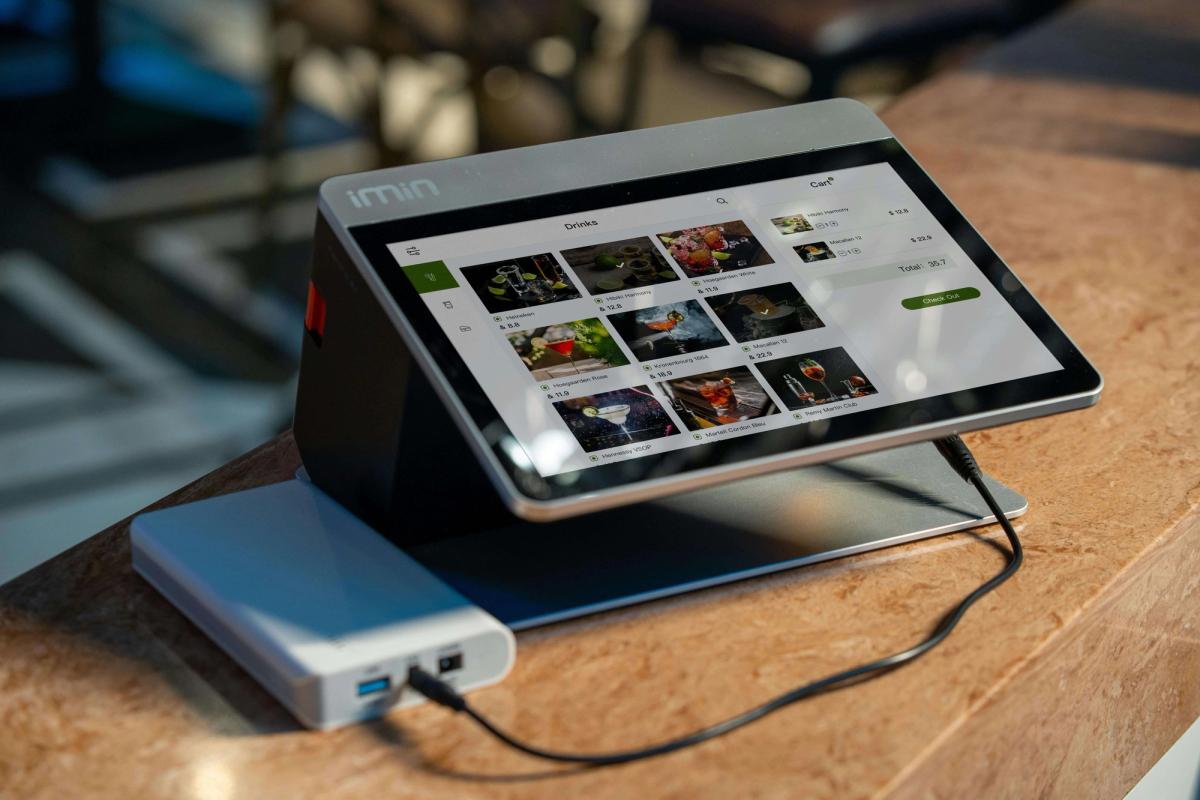
Another area where AI will make a big difference is in integrations. Wholesale suppliers often face problems trying to connect their systems with the ones their customers use, especially in industries like hospitality. In 2025, AI-powered platforms will help solve this problem by offering complete integrations that link everything together.
For example, AI tools will connect wholesale suppliers with the procurement systems used by restaurants, hotels, and other hospitality businesses. This means the customer’s inventory and order management will be automated, and it will be able to link its costing and procurement processes directly with the supplier’s system.
This integration will make the whole supply chain smoother and more efficient. Suppliers will be able to make timely deliveries that match what the customer requires, cutting down on delays and improving customer satisfaction. With AI bridging these systems, wholesale suppliers can work more closely with their customers, making the entire process quicker, easier, and more accurate for everyone involved.
Read related article The Role of AI in Food Wholesale Transformation
4. Personalized Customer Experiences
As AI technology improves, wholesale suppliers can offer more personalized experiences to customers. By analyzing past purchases and preferences, AI can suggest products, deals, or special offers that match their needs. This is not just about recommending items, it is about predicting what customers will want next and providing it at the right time.

AI is also taking over the customer service department with “conversational AI” being loaded into email, chatbots on websites organising for credits and returns.
This kind of personalization builds customer loyalty because when customers feel understood, they are more likely to return. It also boosts sales by encouraging more purchases through tailored recommendations. Open Pantry provides this AI-powered feature, helping suppliers offer personalized recommendations and improve customer experiences.
As AI continues to evolve, wholesale suppliers will see significant benefits by 2025. AI will help reduce order errors, improve forecasting, and lower operational costs through automation. Personalized service will enhance customer satisfaction, while AI-driven inventory management will cut down on waste and support greener operations.
With companies like Open Pantry leading the way, suppliers have a unique opportunity to embrace AI and transform their business models. The future is digital, and those who adapt will thrive in an increasingly competitive market.
Frequently asked questions
How will AI reduce customer service costs for wholesale suppliers?
Suppliers often take orders manually through email, SMS, social media and voicemail, which is slow and error-prone. AI tools convert those manual orders into digital formats ready for processing, so staff no longer re-key them. The result is fewer staff costs, quicker order handling, better accuracy and more satisfied customers.
Can AI understand how restaurants actually write their orders?
Yes, that is what machine learning contributes. AI learns each customer's language and preferences, including industry terms, slang and shorthand. The article's example is a restaurant manager ordering 'a box of toms' for tomatoes or '2 x pots' for potatoes; AI recognises and translates those into a formal order, cutting miscommunication and processing requests without human intervention.
What are end-to-end integrations between suppliers and hospitality customers?
Suppliers often struggle to connect their systems with the ones their hospitality customers use. AI-powered platforms link supplier systems directly with the procurement systems used by restaurants and hotels, so the customer's inventory, order management and costing connect to the supplier. That makes deliveries better matched to requirements and cuts delays across the supply chain.
How does AI personalise the wholesale customer experience?
By analysing past purchases and preferences, AI can suggest products, deals or special offers that match a customer's needs, and predict what they will want next so it can be offered at the right time. The article says this personalisation builds loyalty, because customers who feel understood return, and lifts sales through tailored recommendations.
What should wholesale suppliers do to prepare for AI in 2025?
The article's position is that suppliers who adapt will do better in a competitive market. It points to reduced order errors, improved forecasting, lower operating costs through automation, better customer satisfaction from personalised service, and AI-driven inventory management that cuts waste, and names Open Pantry as one provider releasing order-digitisation tools in early 2025.


