

How Delivery Run Optimisation Saves Suppliers Time and Money
Delivery logistics are one of the most expensive and time-sensitive parts of a wholesale food supply business. Fuel costs, driver shortages, traffic delays, early-morning delivery windows and tight venue schedules make delivery planning a daily challenge. Many suppliers still plan delivery runs manually using whiteboards, spreadsheets or memory, but this approach becomes inefficient as order volume grows.
Delivery run optimisation isn’t just about saving kilometres. It improves fulfilment accuracy, reduces labour costs, supports drivers and strengthens customer satisfaction. This article explains why run optimisation matters, how it works and why more suppliers are moving to digital route planning tools.
Why Delivery Runs Are Difficult To Manage Manually
Even the best warehouse and delivery teams struggle when delivery planning is done by hand. The most common issues include:
Incorrect Route Order - drivers waste time zig-zagging across suburbs or doubling back.
Poor Use of Truck Capacity - Some trucks are overloaded while others leave half empty.
Last-minute Order Changes - if new orders arrive late, manual runs often miss them.
Inconsistent Delivery Times - chefs rely on predictable schedules. Manual planning rarely offers this.
Traffic Unpredictability - drivers choose their own paths, leading to inconsistencies.
No Visibility For The Office - admin teams don’t know where a truck is or when it will arrive.
Re-delivery Attempts - if a venue isn’t open yet, drivers lose time returning later. These inefficiencies create higher fuel costs, longer days and unhappy customers.
How Wholesale Food Suppliers Can Transition From Paper Pick Lists
How Delivery Run Optimisation Works
Delivery run optimisation uses real-time order data to build the most efficient routes based on:
• Suburbs
• Postcodes
• Delivery windows
• Vehicle capacity
• Driver availability
• Warehouse readiness
• Traffic patterns
Platforms like Open Pantry allow suppliers to generate optimised delivery runs directly from the orders placed each day, reducing manual effort and improving accuracy.
The Benefits of Delivery Run Optimisation
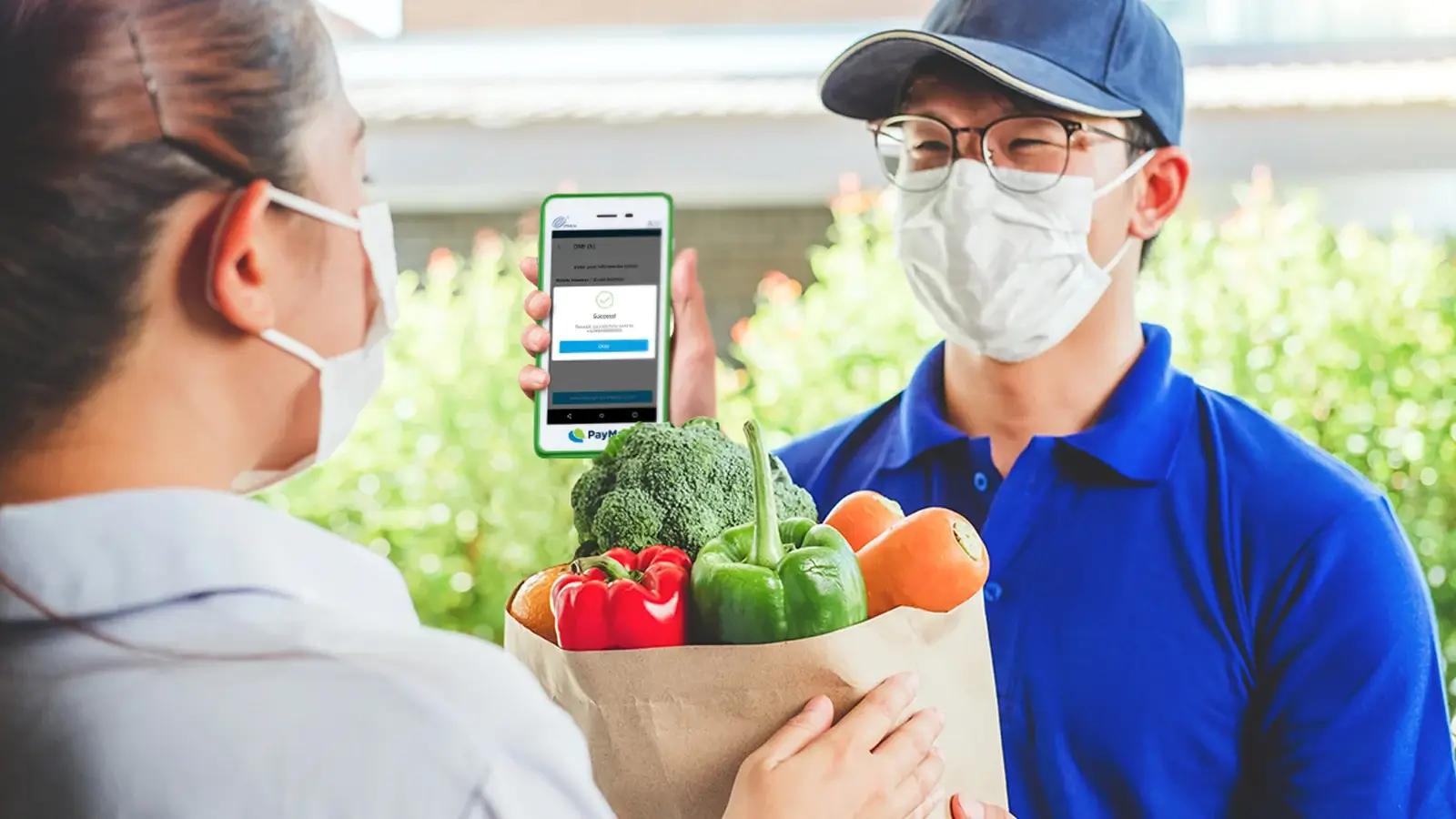
Optimising your runs has compounding benefits across the entire business. Here’s how suppliers typically benefit.
1. Lower Fuel and Vehicle Costs
Fuel prices continue to rise, and inefficient delivery routes add unnecessary kilometres.
Run optimisation reduces:
• Fuel consumption
• Vehicle wear
• Maintenance frequency
• Total kilometres driven
Even a small reduction in daily distance can save thousands each year.
2. Faster Deliveries and Shorter Driver Days
When routes are optimised, drivers:
• Avoid doubling back
• Spend less time in traffic
• Follow clearer sequences
• Complete deliveries earlier
This reduces overtime and helps retain qualified drivers in a competitive labour market.
How Centralised Orders Improve Warehouse Efficiency Fast
3. Better Customer Experience
Chefs value reliability above almost anything else. Delivery run optimisation helps suppliers provide:
• More consistent delivery times
• Fewer delays
• Accurate ETAs
• Better fulfilment accuracy
Chefs plan prep around deliveries. Reliable arrivals build trust and strengthen retention.
4. Improved Warehouse Coordination
Optimised runs improve communication between warehouse teams and drivers.
Benefits include:
• Pick lists organised by delivery run
• Loading bays organised more clearly
• Fewer last-minute reshuffles
• Better pacing of morning workflow
When loading is structured, the warehouse moves faster and with fewer mistakes.
The Real Cost of Manual Order Entry for Foodservice Suppliers
5. Real-time Updates Across The Team
Manual delivery planning offers no visibility. Digital run optimisation allows admin, warehouse, and drivers to see the same information at the same time.
Live updates include:
• Order changes
• Driver status
• Delivery notes
• Substitutions
• Proof of delivery
This prevents miscommunication and improves customer support.
6. Reduced Failed Deliveries
Failed deliveries cost suppliers time and money.
Reasons include:
• Venues not open
• Incorrect delivery notes
• Wrong access instructions
• Driver unfamiliarity with location
Optimised runs solve this with:
• Clear instructions driving the sequence
• Accurate delivery windows
• Better venue coordination
• Digital notes and directions
Fewer failed deliveries means fewer headaches.
7. Accurate Invoicing and Fewer Disputes
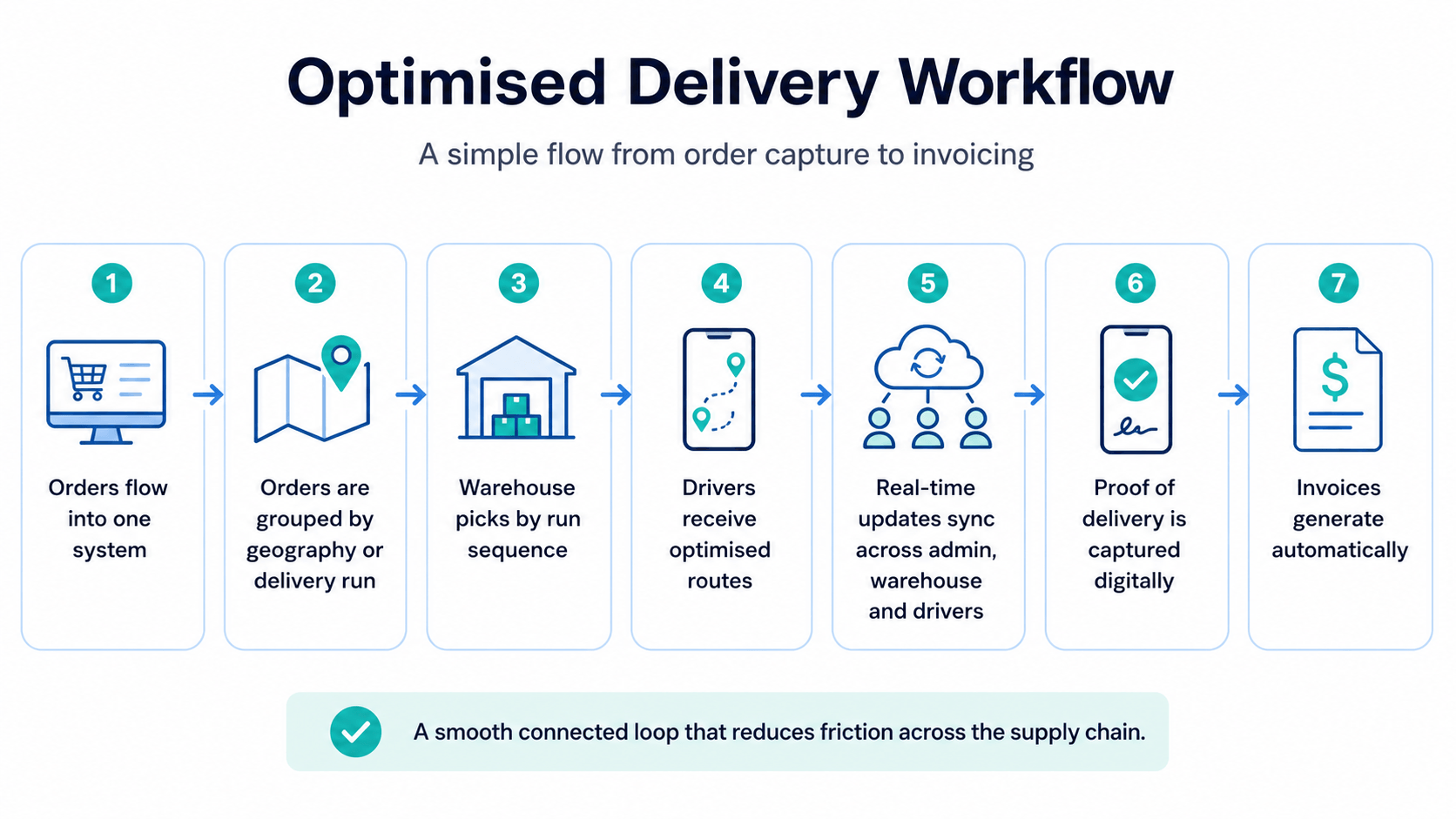
When deliveries follow a clean, digitised workflow:
• Items match the pick list
• Drivers confirm quantities
• Substitutions are logged
• Proof of delivery is recorded
• Invoices generate automatically
This reduces disputes and speeds up payments.
Wholesale Order Management for Foodservice Suppliers
How To Transition From Manual To Optimised Delivery Runs
Most suppliers transition in three simple stages:
Stage 1: Centralise Orders
Make sure all orders flow into a digital platform — email, SMS and WhatsApp can be manually converted.
Stage 2: Implement Basic Run Grouping
Start grouping deliveries by postcode, region or run name.
Stage 3: Layer in Optimisation
Use a platform that automates delivery sequencing and integrates with pick lists and proof of delivery.
Open Pantry’s logistics module supports run grouping, pick lists, digital delivery notes and invoice syncing, making the transition smooth for both small and large suppliers.
Cut Delivery Mistakes by 80% with Order Management Software
Make Delivery a Profitability Lever
Delivery optimisation is one of the most practical ways wholesale suppliers can improve profitability without adding more trucks, drivers or admin work.
By improving route efficiency, warehouse coordination and order visibility, suppliers can reduce fuel costs, shorten driver days, minimise delivery issues and give customers a more reliable service.
Open Pantry helps wholesale food suppliers manage ordering, customer pricing, picking, fulfilment, delivery workflows and invoicing in one connected platform. If your team is still planning delivery runs manually, now is the time to simplify the process and build a more scalable operation.
Book a demo with Open Pantry today and see how smarter supplier workflows can save your team time and money.