wholesale ordering

Open Pantry Blog

What Is an AI Restaurant Manager, and What Does It Actually Do?

An AI restaurant manager is back-of-house software that reads your supplier orders, invoices, stock counts and POS sales, shows where money leaked and drafts the fix for a person to approve. Here's what it does in a normal week, the data it needs, and what it should never do on its own.
Read more: What Is an AI Restaurant Manager, and What Does It Actually Do?

Compare Open Pantry with Ordermentum, Fresho, FoodByUs and others

October 26, 2026

Why Is My Actual Food Cost Higher Than My Recipes Say?

By Gelou Jimeno · Restaurant: costing & menu profit
Illustration of actual vs theoretical food cost: a recipe card next to a bar chart where actual cost bars sit above theoretical cost bars
Actual food cost runs higher than your recipes because recipes count only what should have been used, while actual cost counts everything that left the shelves: unrecorded price rises, waste, heavy portions, poor yields, count errors, transfers and comps. Calculate both over the same dates, then check item by item.
Read more: Why Is My Actual Food Cost Higher Than My Recipes Say?
October 26, 2026

How Do I Stop Losing Money on Short Deliveries and Missing Supplier Credits?

By Gelou Jimeno · Restaurant: inventory & procurement
Illustration of a restaurant delivery check-off: produce crates marked with ticks and a short, a phone check-off list and a supplier credit request
Restaurants stop losing money on short deliveries by checking each delivery against the order at the door, matching the invoice to what actually arrived before paying, and sending a supplier credit request the same day with evidence. Then track every request until the credit note appears on the statement.
Read more: How Do I Stop Losing Money on Short Deliveries and Missing Supplier Credits?
October 26, 2026

How Can I Catch Supplier Price Rises Before They Eat My Margin?

By Gelou Jimeno · Restaurant: costing & menu profit
Illustration of a supplier price rise on a restaurant invoice: an invoice, a rising red arrow over climbing cost bars and a dollar coin
Catch supplier price increases by comparing the price per unit on every invoice line with the price you last paid, converting pack sizes so you compare like with like, and costing the weekly impact on each dish. Then decide whether to reprice, swap, re-spec or negotiate, and update the recipe card.
Read more: How Can I Catch Supplier Price Rises Before They Eat My Margin?
October 26, 2026

How Much Should I Order? Par Levels vs Forecast Ordering for Restaurants

By Gelou Jimeno · Restaurant: inventory & procurement
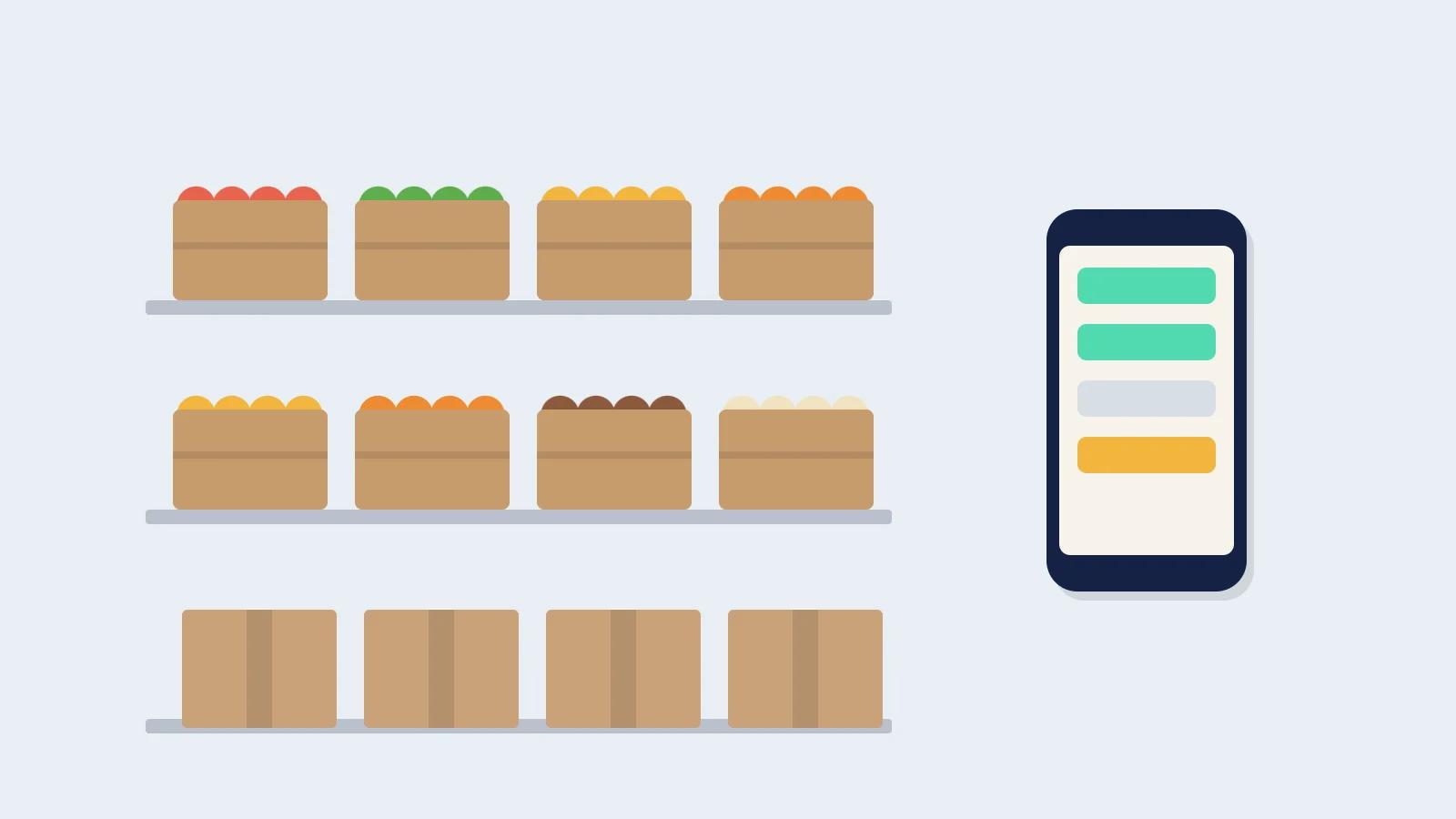
Illustration of restaurant cool room shelves with produce crates and cartons beside a phone showing a forecast order from par levels
Order what you expect to use before the next delivery, plus a small buffer, minus what is on hand and already on order, rounded up to the pack size. Par levels suit steady staples; forecast ordering suits perishables, functions and seasonal swings. Here is the formula, a worked example and how to split your list.
Read more: How Much Should I Order? Par Levels vs Forecast Ordering for Restaurants
October 26, 2026

How Should Bookings and Functions Change What My Kitchen Orders and Preps?

By Gelou Jimeno · Restaurant: inventory & procurement
Illustration of a bookings calendar with function dates marked beside plated dishes, showing demand planning for kitchen ordering and prep
Bookings and functions should reshape orders and prep before the week starts. Take sales history for a normal day, scale it to booked covers plus your usual walk-in rate, then plan each confirmed function from its menu and guest numbers, on its own order and prep timeline back from service.
Read more: How Should Bookings and Functions Change What My Kitchen Orders and Preps?
October 26, 2026

How Do I Make Restaurant Stocktakes Faster Without Losing Accuracy?

By Gelou Jimeno · Restaurant: inventory & procurement
Illustration of a fast restaurant stocktake: shelves of containers and cartons counted on a phone with a barcode scan line
A faster restaurant stocktake comes from better count sheets, not faster counters: list lines in shelf order, count mixed units on one line, count high-value lines weekly and everything monthly. Blind counts and recounting only the outliers keep the number accurate while cutting the time it takes.
Read more: How Do I Make Restaurant Stocktakes Faster Without Losing Accuracy?
October 26, 2026

How Do You Count Cartons, Singles and Open Bottles in a Bar Stocktake?

By Gelou Jimeno · Restaurant: inventory & procurement
Illustration of a bar stocktake: back-bar bottles at different fill levels, stacked cartons and a phone count sheet
In a bar stocktake, count each product on one line in whatever units you see: cartons, inners, single bottles and open bottles in tenths. Store the conversions on the product, compare what you used with what the till sold, and you get pour cost per drink and a list of drinks earning below target.
Read more: How Do You Count Cartons, Singles and Open Bottles in a Bar Stocktake?
October 26, 2026

Do My Suppliers Need to Be on the Same Platform for Me to Order Online?

By Geoff Philcox · Restaurant: inventory & procurement
Illustration of restaurant ordering by email: a phone order sending emails to three suppliers and their delivery vans
No, your suppliers do not need to join the same platform for you to order online. A good restaurant ordering platform emails a clear purchase order to any supplier, reads invoices you forward or photograph, and adds live prices and catalogues only where a supplier happens to be connected.
Read more: Do My Suppliers Need to Be on the Same Platform for Me to Order Online?
October 26, 2026

How Do I Stop Staff Over-Ordering? Purchase Approvals and Spend Limits for Restaurants

By Gelou Jimeno · Restaurant: inventory & procurement
Illustration of restaurant purchase approvals: an approved purchase order beside a weekly spend limit gauge and a dollar coin
Stop over-ordering by deciding who can order what, setting a dollar limit above which an order needs a manager's approval, and giving each venue a weekly budget tied to forecast sales. Let routine orders go straight through and flag only the unusual ones, so approvals never hold up service.
Read more: How Do I Stop Staff Over-Ordering? Purchase Approvals and Spend Limits for Restaurants
October 26, 2026

How Long Does It Take to Set Up Restaurant Inventory and Costing Software?

By Gelou Jimeno · Restaurant: inventory & procurement
Illustration of restaurant inventory software setup time: a clock beside a setup checklist with three of four steps ticked
Plan an afternoon for the basics of restaurant inventory software setup, about a week plus a stocktake before food-cost numbers mean anything, and a few more weeks to add recipes, top sellers first. Setups that drag on for months usually stall on typing products, pack sizes and recipes by hand.

Read more: How Long Does It Take to Set Up Restaurant Inventory and Costing Software?
October 26, 2026

Which Numbers Should a Restaurant Manager Check Every Morning?

By Geoff Philcox · Reporting & operations
Illustration of a restaurant manager's morning numbers: a coffee cup beside six dashboard tiles for sales, deliveries, prices, waste, stock and approvals
A restaurant manager should check five numbers every morning: yesterday's sales against a normal day, deliveries and credits outstanding, price rises on yesterday's invoices, waste and low stock, and orders waiting for approval, plus any GP warnings. Food cost %, labour % and GP per dish belong in the weekly review.
Read more: Which Numbers Should a Restaurant Manager Check Every Morning?
October 22, 2026

Best Restaurant Food Costing Software in Australia: How to Choose in 2026

By Geoff Philcox · Restaurant: costing & menu profit
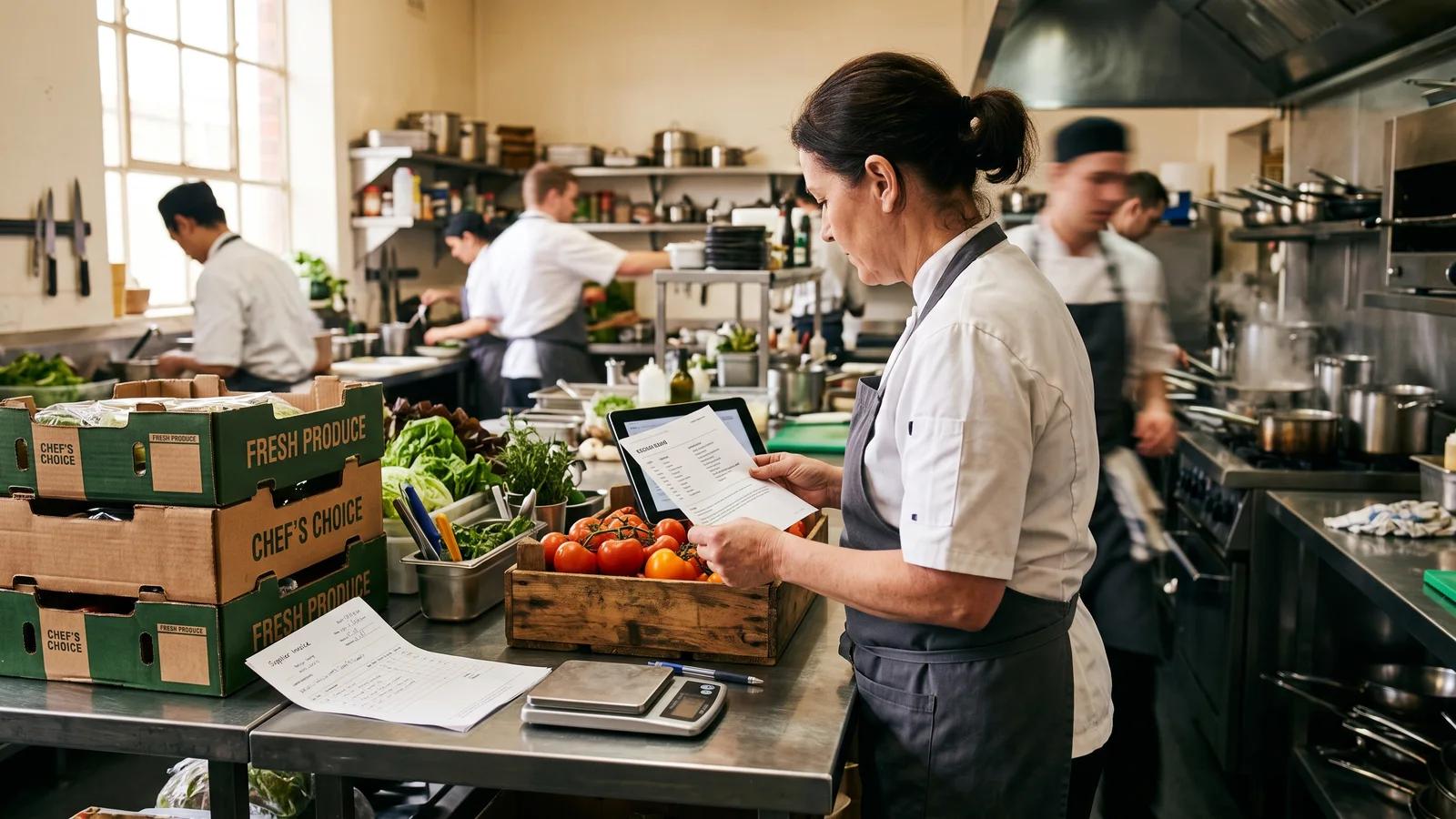
Chef in an Australian restaurant kitchen checking supplier invoice prices against recipe costs on a tablet beside a prep bench of produce and proteins
The best restaurant food costing software in Australia prices recipes from what your suppliers actually charge, re-costs every dish when a price moves, and handles sub-recipes, yields and sales. The 2026 shortlist is Restoke, Loaded, MarketMan, Apicbase and Open Pantry, from a one-off $99 to $250 a month, plus free calculators.
Read more: Best Restaurant Food Costing Software in Australia: How to Choose in 2026
October 15, 2026

How to Calculate Food Cost Percentage: Formula, Excel and Worked Examples

By Gelou Jimeno · Restaurant: costing & menu profit
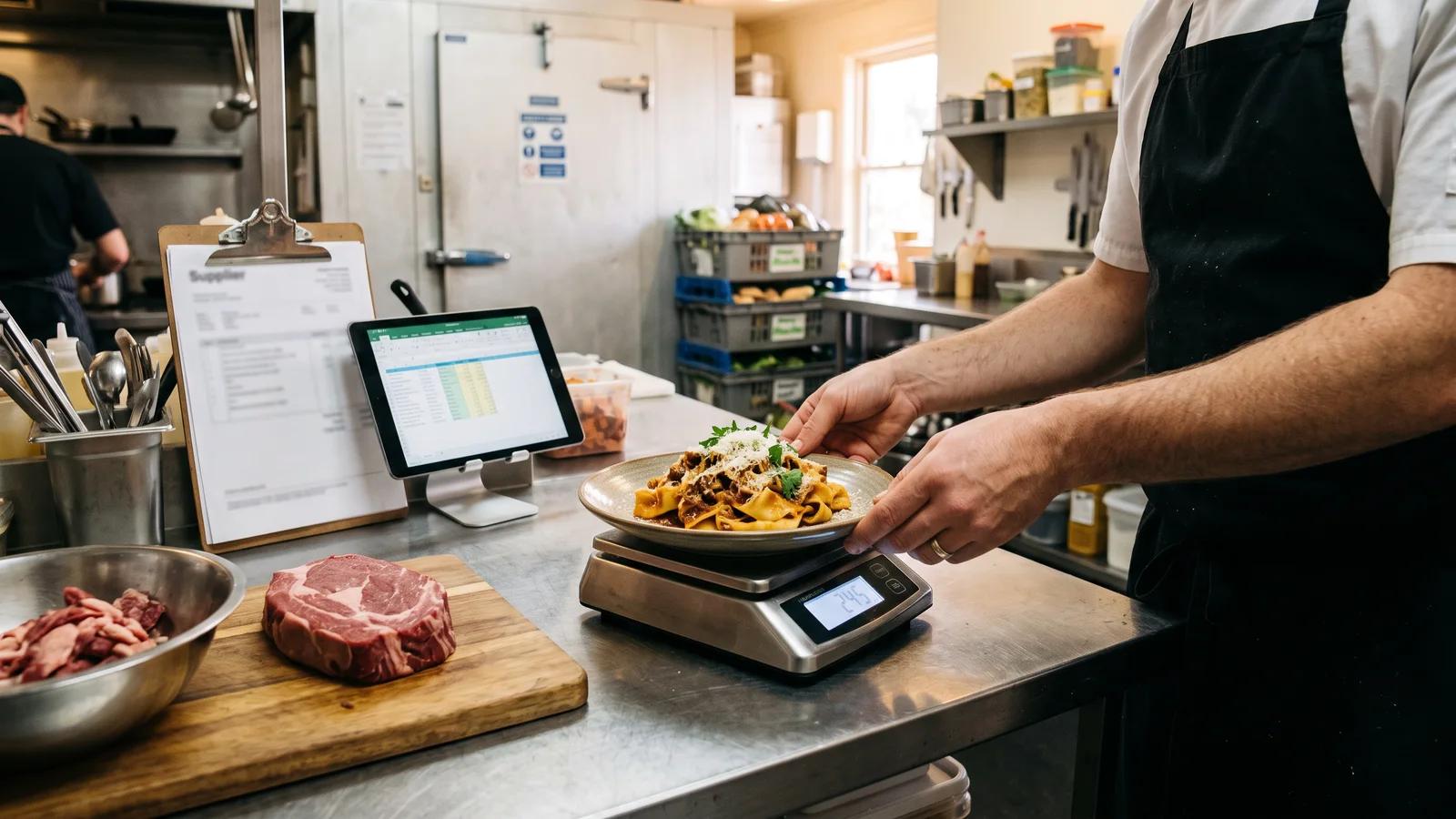
Chef in an Australian restaurant kitchen weighing a portion of beef ragu pappardelle on digital scales beside a supplier invoice and a tablet showing a recipe cost sheet
To calculate food cost percentage, divide a dish's ingredient cost by its menu price ex GST and multiply by 100. In Australia, divide the menu price by 1.1 first: a $6.60 plate on a $29 menu price is 25.0%, not 22.8% (illustrative). Most Australian venues aim for 28–32% across the menu.
Read more: How to Calculate Food Cost Percentage: Formula, Excel and Worked Examples
September 25, 2026

How to Automatically Update Menu Costs When Supplier Prices Change

By Geoff Philcox · Restaurant: costing & menu profit
Chef in an Australian commercial kitchen reviewing dish costs on a tablet beside a delivery of produce and a supplier invoice
Menu costs update automatically when three things are joined up: a live supplier price list, recipes built from those products rather than typed-in figures, and a menu that reads its cost from the recipes. Change a price at the source and every dish using that ingredient recosts, with the dishes past their target listed for repricing.
Read more: How to Automatically Update Menu Costs When Supplier Prices Change
May 13, 2026

M&J Chickens Launches New Online Ordering System and App in Partnership with Open Pantry

By Gelou Jimeno · Company & product news
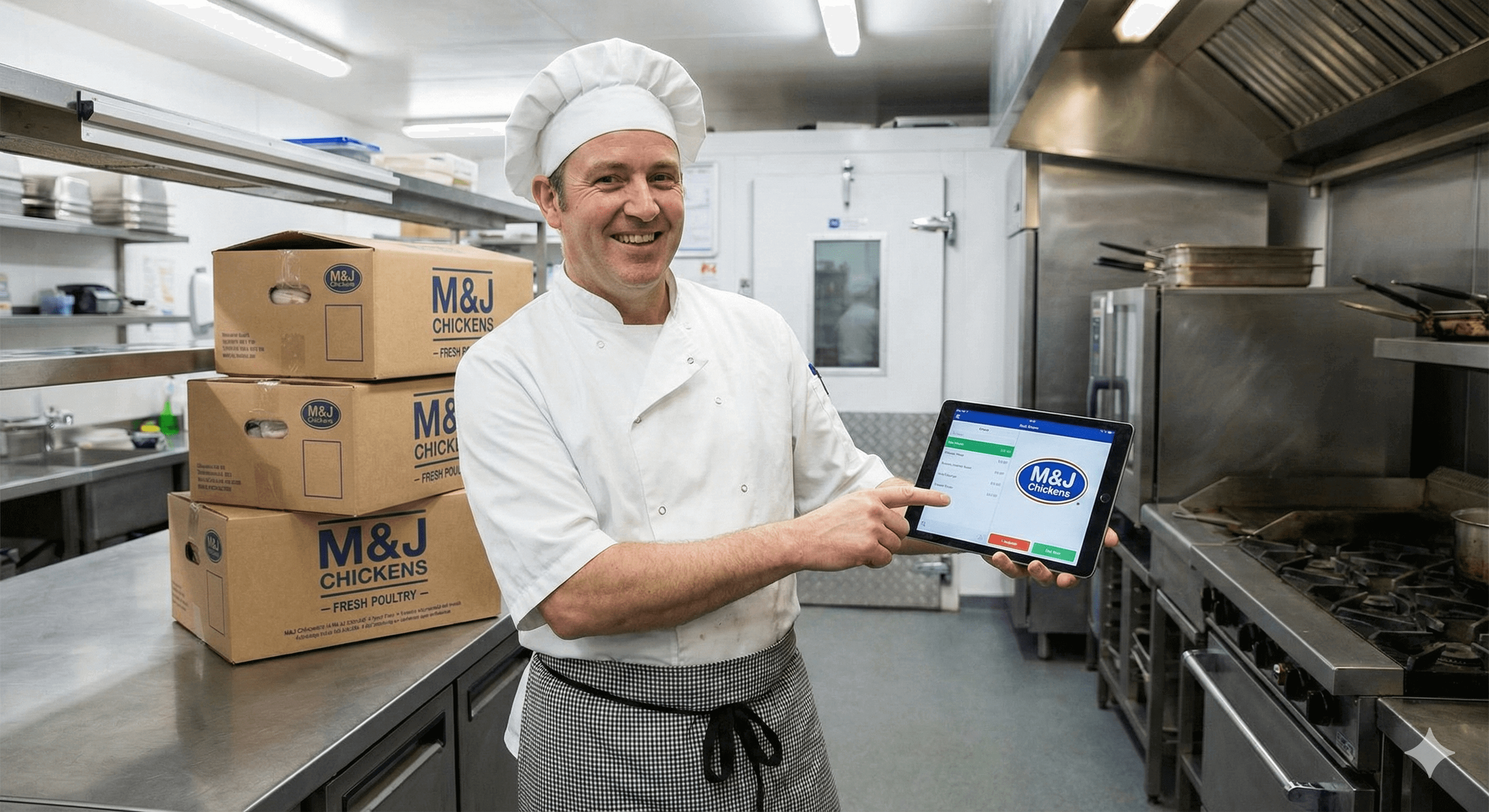
A chef using a tablet to order from M&J Chickens.
M&J Chickens has partnered with Open Pantry to launch an online ordering system and mobile app for its foodservice customers. Venues can browse the M&J range, see pricing before ordering, reorder favourites in seconds and set recurring orders, while keeping the same products, delivery schedule and payment terms.

Read more: M&J Chickens Launches New Online Ordering System and App in Partnership with Open Pantry
May 12, 2026

Top 10 Best Wholesale Food & Beverage Suppliers in Melbourne

By Gelou Jimeno · Comparisons & alternatives
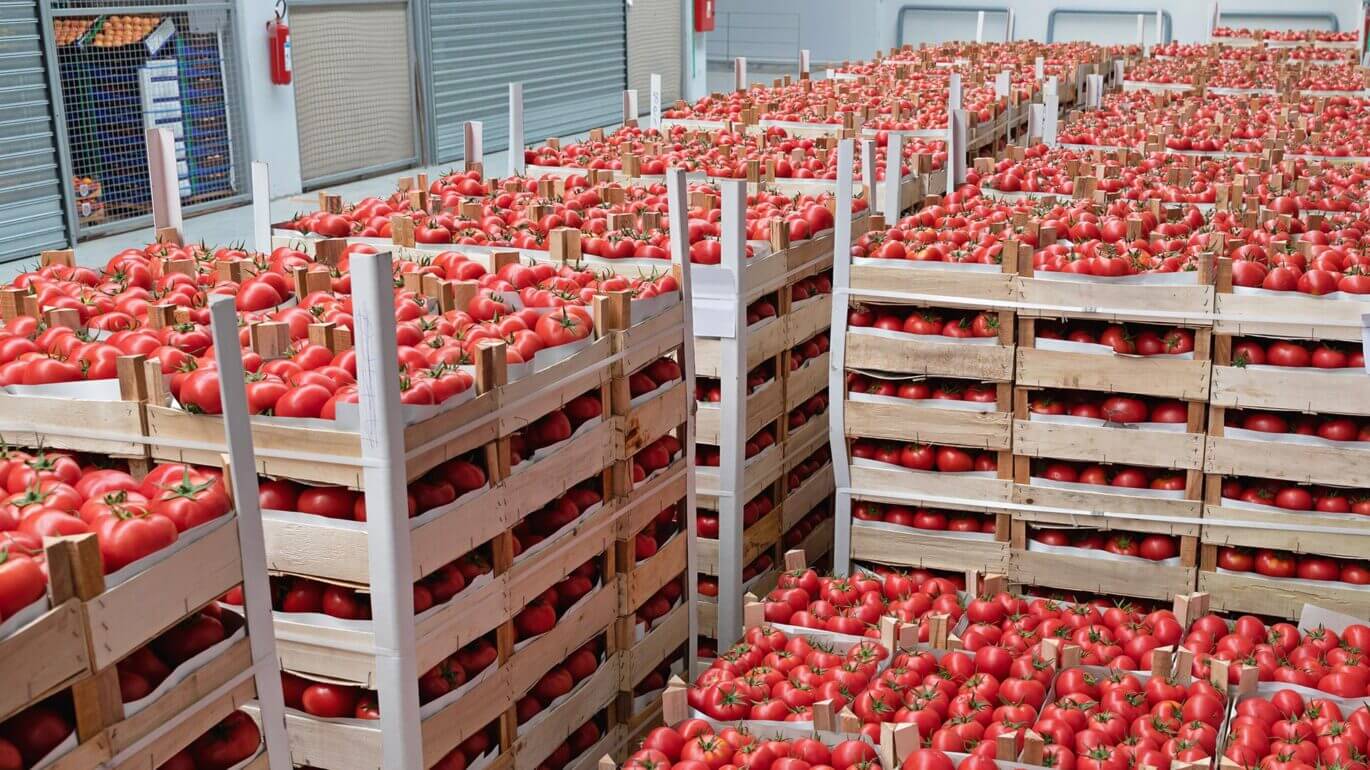
Stacks of hundreds of tomato boxes stored in a warehouse.
Melbourne's leading wholesale food and beverage suppliers include Bidfood Australia, PFD Food Services, Melbourne Food Distributors, Australian Fine Foods, The Food Company, M&J Chickens, Del Re National Food Group, Toscano's Wholesale, Biviano Direct and Procal Dairies, each covering different categories from fresh produce and poultry to dairy, deli goods and gourmet imports.
Read more: Top 10 Best Wholesale Food & Beverage Suppliers in Melbourne
May 9, 2026

Smart Menu Pricing for Australian Restaurants | Open Pantry

By Gelou Jimeno · Restaurant: costing & menu profit
Chef using a tablet to cost a menu in the kitchen.
Smart menu pricing starts with knowing your food cost percentage, usually targeted between 25 and 35 per cent, then checking gross profit margin, accounting for hidden costs such as labour, utilities and waste, balancing price against customer perception, and engineering the menu around the dishes that are both popular and profitable.
Read more: Smart Menu Pricing for Australian Restaurants | Open Pantry
April 15, 2026

How to Set Up a Production Kitchen: A Step-by-Step Guide

By Gelou Jimeno · Restaurant: inventory & procurement
A chef standing in a kitchen.
Setting up a production kitchen runs from defining the production scope and securing licences to choosing a site, designing a one-directional layout, buying commercial-grade equipment, building storage and food safety procedures, hiring and training staff, setting up inventory and procurement, managing waste, pilot testing and planning for scale.
Read more: How to Set Up a Production Kitchen: A Step-by-Step Guide
April 12, 2026

5 Commercial Kitchen Layouts (with Plans and Blueprint Tips)

By Gelou Jimeno · Restaurant: inventory & procurement
Chefs happily working in a commercial kitchen.
Five commercial kitchen layouts suit different operations: zone-based for high-volume kitchens with diverse menus, assembly line for streamlined high-output menus, open kitchen for chef-driven venues, galley for compact spaces and food trucks, and island for kitchens that depend on teamwork and supervision.
Read more: 5 Commercial Kitchen Layouts (with Plans and Blueprint Tips)
March 1, 2026

Tips to Boost Kitchen Efficiency & Speed

By Gelou Jimeno · Restaurant: inventory & procurement
Four chefs in a kitchen preparing the dishes.
Kitchen efficiency comes from seven areas: a layout that limits unnecessary movement, quality equipment, documented standard operating procedures, tight inventory management, clear communication between front and back of house, performance monitoring, and technology such as kitchen display systems and digital recipe management.
Read more: Tips to Boost Kitchen Efficiency & Speed
February 24, 2026

Flavor Meets Wellness: The Health Trends Revolutionising Restaurant Menus

By Gelou Jimeno · Restaurant: costing & menu profit
A person taking a picture of an appetising meal displayed on a table.
Six health trends are reshaping restaurant menus: plant-based eating, gluten-free and allergen-friendly dishes, low-FODMAP options, functional foods such as probiotics and turmeric, sustainable and ethically sourced ingredients, and personalised nutrition that tailors meals to individual dietary needs.
Read more: Flavor Meets Wellness: The Health Trends Revolutionising Restaurant Menus
February 21, 2026

Free Recipe Cost Calculator: Accurately Calculate Food Costs and Maximise Profits

By Gelou Jimeno · Restaurant: costing & menu profit
Illustration of a plated dish, a tablet with a recipe cost list, a calculator and coins on a timber table.
A recipe cost calculator works out what a dish actually costs by adding every ingredient at its purchase price, a standardised portion size, an allocated share of overhead and labour, then applying your target profit margin to suggest a selling price that protects the dish's contribution.
Read more: Free Recipe Cost Calculator: Accurately Calculate Food Costs and Maximise Profits
February 20, 2026

How to Cost a Menu: Step-by-Step Guide for Restaurant Owners

By Geoff Philcox · Restaurant: costing & menu profit
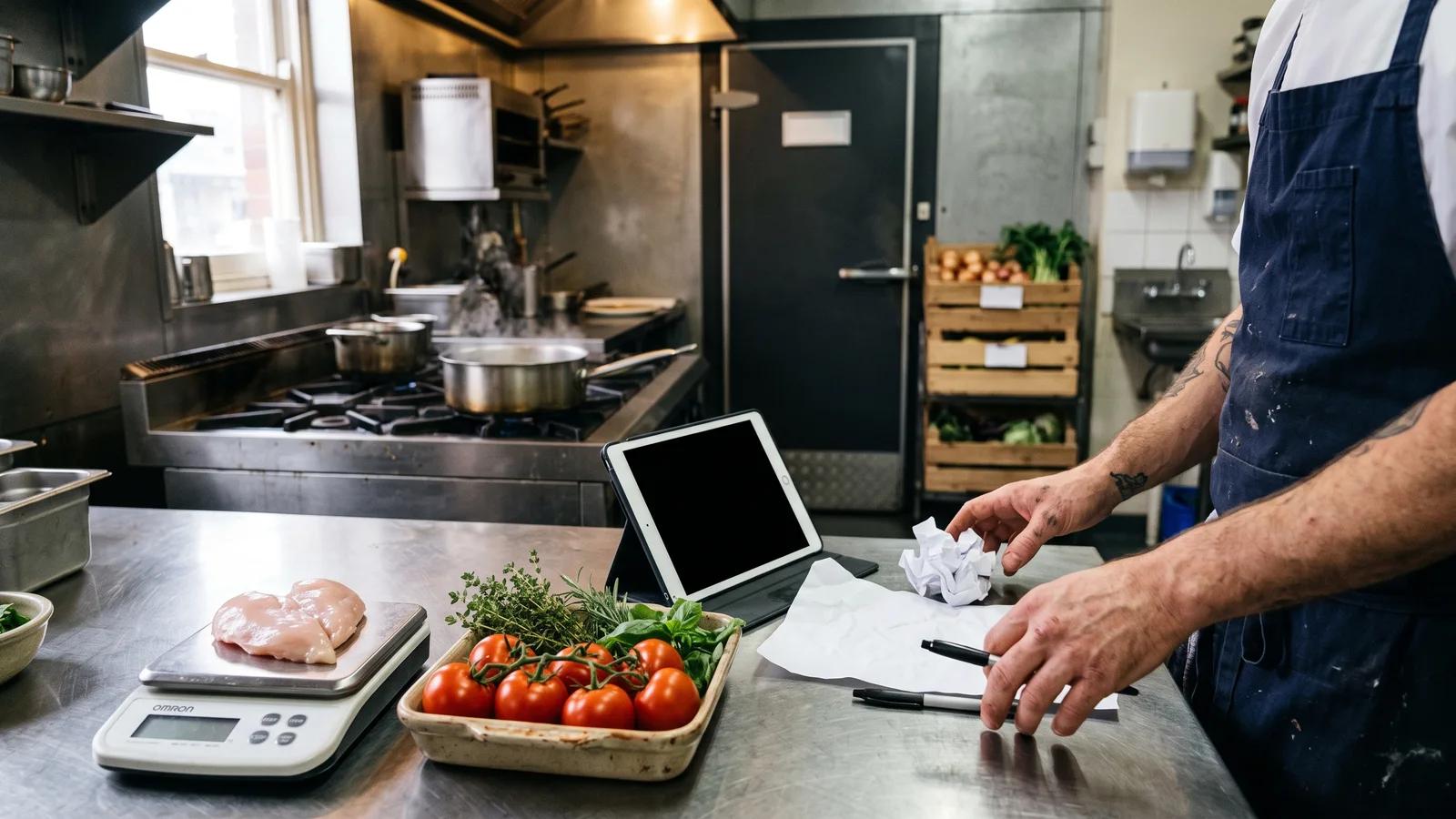
Illustration of a chef in a commercial kitchen costing a dish with a tablet, a plated meal and a scale on the bench.
Costing a menu takes eleven steps: list every ingredient, standardise portions, allocate overheads, account for labour, set a profit margin, calculate the selling price, check it against competitors, monitor costs, adjust for seasonal produce, minimise waste, and use software to keep the figures current.
Read more: How to Cost a Menu: Step-by-Step Guide for Restaurant Owners
February 15, 2026

Top 5 Statistics in the Australian Food Industry Restaurants Need to Know

By Geoff Philcox · Industry & verticals
Illustration of three cards each pairing a restaurant dish with a small bar chart.
Five statistics are shaping the Australian food industry: beef prices tracked low on the Eastern Young Cattle Indicator, plant-based demand heading toward AUD 3 billion by 2030, wine and dairy exports of AUD 2.8 and 3.4 billion, AUD 60 billion in agricultural production, and AUD 13,500 average household food spend.
Read more: Top 5 Statistics in the Australian Food Industry Restaurants Need to Know
February 8, 2026

How to Calculate Menu Costing

By Geoff Philcox · Restaurant: costing & menu profit
Illustration of a stainless kitchen bench with a digital scale, a plated dish, ingredients and a tablet showing a costing chart.
Menu costing starts with food cost percentage: add beginning inventory and purchases, subtract closing inventory, then divide by food sales. Compare that figure with your ideal food cost, work out the cost per serving, and divide it by the ideal percentage to set a menu price.
Read more: How to Calculate Menu Costing
January 30, 2026

Top Ten Food Trends for 2024

By Geoff Philcox · Industry & verticals
Illustration of colourful modern dishes on plates seen from above on a timber table.
The ten dining trends to watch in 2024 run from edible insects and feral-animal meat to hotel bars, trolley service, seaweed, retro Australian dishes, kindness on the floor, metaverse marketing, interactive food experiences and the fast-growing non-alcoholic drinks market.
Read more: Top Ten Food Trends for 2024
January 28, 2026

A Comparative Analysis of Open Pantry, Restoke, and Marketman: Exploring Their Unique Offerings

By Geoff Philcox · Comparisons & alternatives
Illustration of three tablets on a kitchen bench comparing restaurant software, with one ticked.
Open Pantry, Restoke and MarketMan solve different problems. Open Pantry is free for venues to order, with Menu Profit Manager at a one-off $199 and Restaurant AI Manager at $250 a month; Restoke runs $139 to $219 per site per month; MarketMan starts at $249 and rises to $449 a month.
Read more: A Comparative Analysis of Open Pantry, Restoke, and Marketman: Exploring Their Unique Offerings
May 31, 2022

10 Hacks chefs should know

By Geoff Philcox
Perhaps you’ve been a chef for years and are no stranger to the unforeseen costs that crop up and leave you feeling underpaid and overworked. Or maybe you’re just starting out and are researching all of the best practices for running your new venue. Either way, we’ve put together our top ten recommended ways to save money, both in and out of the kitchen, to help you run a thriving, successful venue.
Read more: 10 Hacks chefs should know

Curious how we can save you money?

Get your free Demo Today

Join the worlds leading edge ordering management system

Get a Demo Today