wholesale ordering

Open Pantry Blog

How Food Wholesalers Reduce Manual Order Entry: A Problem-Led Guide

Manual order entry hides across phone, email, SMS, WhatsApp, voicemail, PDFs and rep notebooks, plus the rekeying between order, pick slip, docket and invoice. Cut it by consolidating channels, moving willing customers to self-service, using standing orders, applying AI order entry to the rest, and removing back-end rekeying.
Read more...

Compare Open Pantry with Ordermentum, Fresho, FoodByUs and others

June 8, 2026

Why Chefs Prefer Digital Ordering Over Calls, Texts and Emails

By Gelou Jimeno
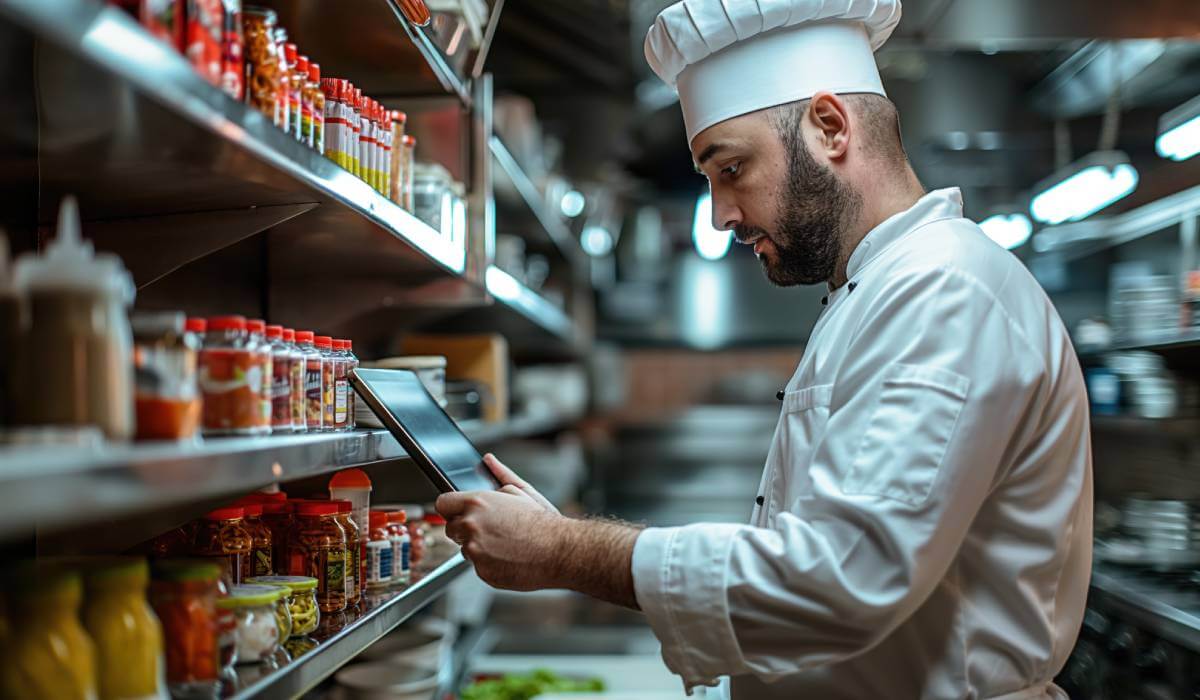
A chef holding a tablet.
Chefs are not against technology; they are against tools that slow them down. Once they try a well-designed ordering system, most prefer it for five reasons: fast reordering at any hour, fewer errors from a structured product list, visibility over orders and pricing, predictable service, and quicker resolution when something is short.
Read more...


June 6, 2026

How to Reduce Order Errors Without Hiring More Staff

By Gelou Jimeno
Staffs working inside the warehouse.
Order errors come from a fragile workflow, not careless staff. Suppliers cut them without hiring by centralising every order channel into one system, giving each customer a personalised catalogue, running digital pick lists that update with changes, recording substitutions and shortages digitally, invoicing from proof of delivery, and reviewing weekly error trends.
Read more...
June 5, 2026

Wholesale Food Ordering Automation Guide (2026)

By Gelou Jimeno
Man wearing black apron writing on a notebook.
This guide sets out seven parts of the wholesale ordering workflow suppliers should automate: order intake consolidation, customer-specific pricing and product visibility, cut-off reminders and confirmations, pick list generation, delivery run planning, digital proof of delivery with automated invoicing, and reporting. Together they cut admin, protect margins and support growth without extra headcount.
Read more...
June 3, 2026

The Hidden Cost of Spreadsheets for Wholesale Suppliers

By Gelou Jimeno
Stressed worker checking an inventory spreadsheet with error pop-ups.
Spreadsheets feel free, but in wholesale foodservice they cost margin leakage from prices that drift, order entry errors that ripple through the warehouse, version chaos across multiple sources of truth, key-person dependency, delayed invoicing and slower cash collection, and stock counts that drift far enough to cause oversells and emergency buying.
Read more...
June 2, 2026

How to Transition Restaurant Customers to Digital Ordering

By Gelou Jimeno
Chef checking inventory on a tablet in a commercial kitchen.
Digital ordering rollouts fail on implementation, not technology. Move restaurant customers across with a low-friction approach: a mobile-first system that remembers favourites and past orders, a soft transition rather than a hard cutover, personalised onboarding, benefits framed as time saved, close attention in the first weeks, then phasing manual channels out.
Read more...
May 31, 2026

How Centralised Orders Improve Warehouse Efficiency Fast

By Gelou Jimeno
Busy warehouse with fresh produce and staff.
Centralising orders into one digital platform is among the fastest ways to lift warehouse efficiency, often within days. It standardises order formatting, syncs office and warehouse in real time, generates pick lists by run or zone, eases the morning rush, gives drivers accurate run sheets, matches invoices to deliveries and improves stock accuracy.
Read more...
May 30, 2026

How Suppliers Can Use Data to Increase Sales Without Hiring More Reps

By Gelou Jimeno
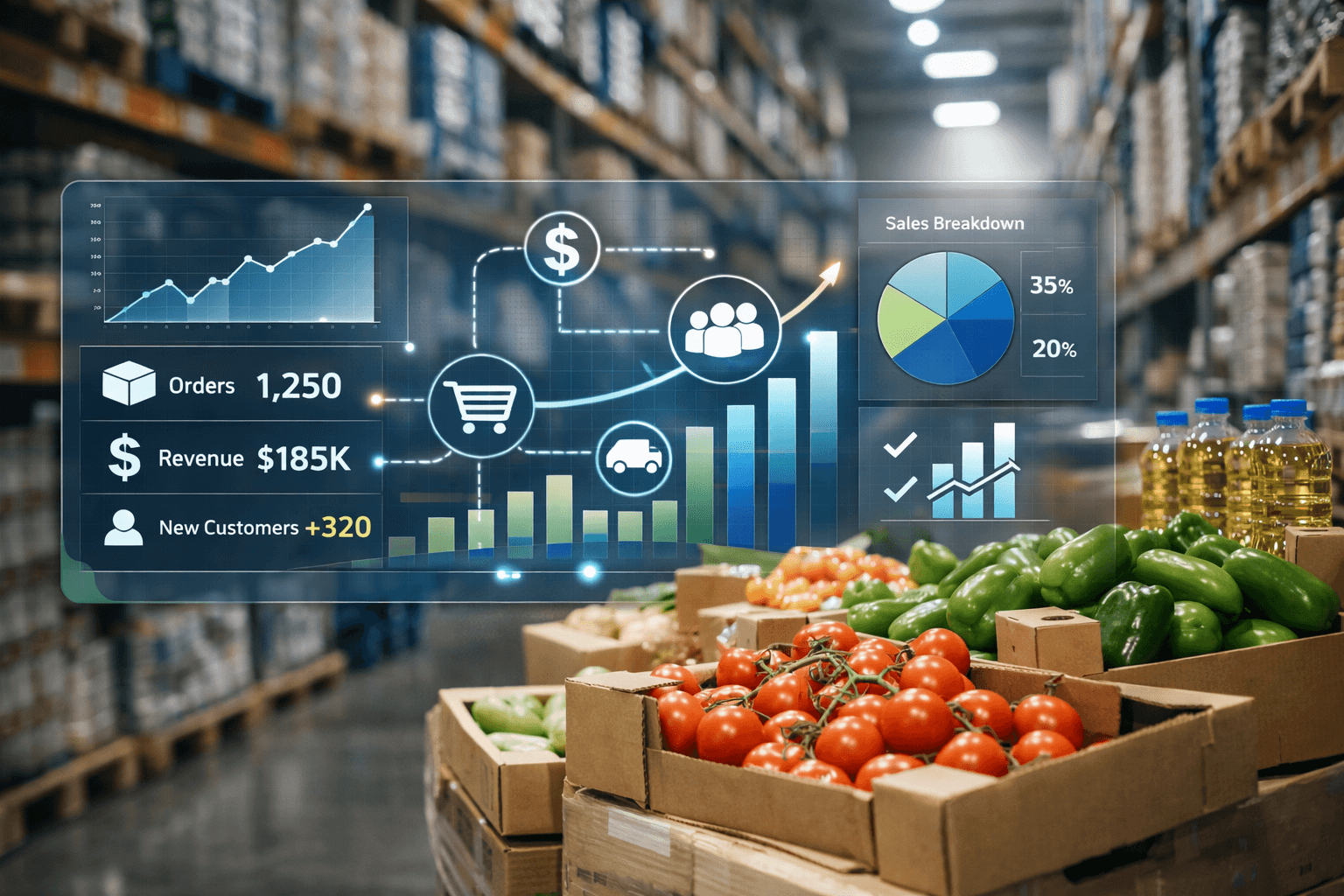
Digital dashboard overlay on top of warehouse shelves or food products.
Wholesale suppliers can grow revenue from the order data they already hold rather than by hiring reps. Three measures do most of the work: customer activity trends, product performance and category contribution. Used together they flag at-risk accounts early, surface cross-sell opportunities, sharpen stock planning and focus attention where revenue is actually moving.
Read more...
May 28, 2026

What Restaurant Buyers Expect From Suppliers in 2026

By Gelou Jimeno
A woman chef standing proudly in a kitchen.
Restaurant buyers in 2026 expect ordering that works whenever they do, pricing that matches agreed rates and shows at checkout, real-time stock visibility, clear delivery communication, transparency about changes and credits, flexible automated payments, detailed product information, and the operating speed of a logistics business.
Read more...
May 27, 2026

How to Build a Digital Product Catalogue That Increases Buyer Spend

By Gelou Jimeno
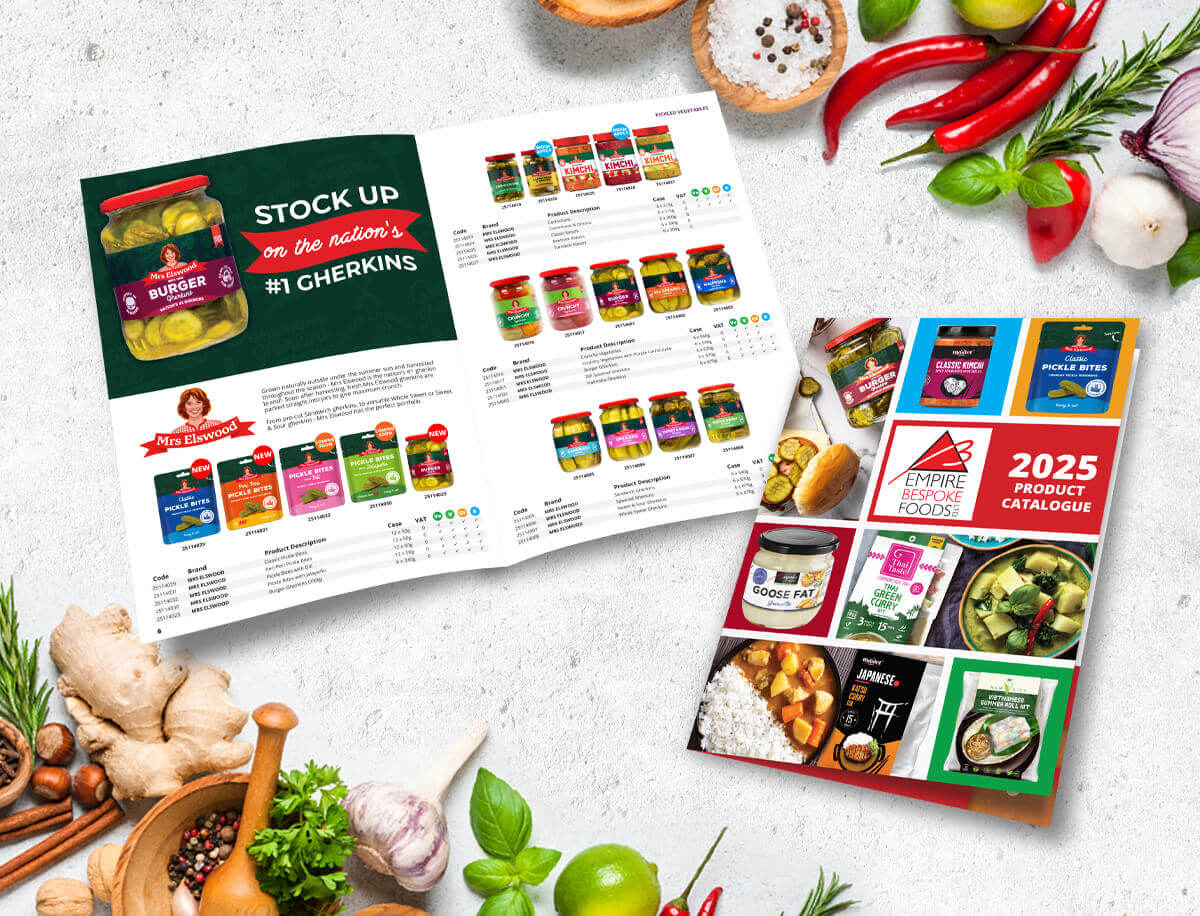
Food product catalogue spread showing pickles, sauces, and preserved goods with fresh ingredients on a kitchen-style background.
A digital product catalogue is a supplier's storefront and shapes how much chefs buy. The elements that lift spend are clear descriptive product names, high-quality images, logical categories and subcategories, fast search and filters, customer-specific visibility and customer-specific pricing. Many suppliers see average order value rise 10 to 25% after upgrading it.
Read more...
May 25, 2026

The Supplier’s Guide to Getting Paid Faster with Automated Invoicing

By Gelou Jimeno
A man sitting in front of a computer, reviewing invoice.
Automated invoicing helps foodservice suppliers get paid faster by removing the friction that delays payment. Invoices are generated from the confirmed order so they are accurate, sent the moment delivery is confirmed, followed by scheduled reminders, collected by direct debit or card, synced to Xero or MYOB, and visible to customers in a portal.
Read more...
May 24, 2026

Next Steps: Connect Open Pantry to Xero

By Gelou Jimeno
Xero Logo
Open Pantry stays the operational source of truth for products, customer pricing, ordering and payments, while Xero remains the financial record. Orders export to Xero as draft sales invoices for you to approve. Set-up covers seeding contacts and items, account code and tax mapping, and product and customer matching rules.
Read more...
May 22, 2026

Next Steps: Connect Open Pantry to MYOB (MYOB Business / AccountRight)

By Gelou Jimeno
MYOB Logo
Open Pantry stays the operational source of truth for products, customer pricing and ordering, while MYOB Business or AccountRight keeps the accounting record. Orders export to MYOB as sales invoices. Setting up covers seeding customers and items, mapping income categories and tax codes, and confirming product and customer matching rules.
Read more...
May 21, 2026

Customer-Specific Pricing for Food Suppliers Made Simple

By Gelou Jimeno
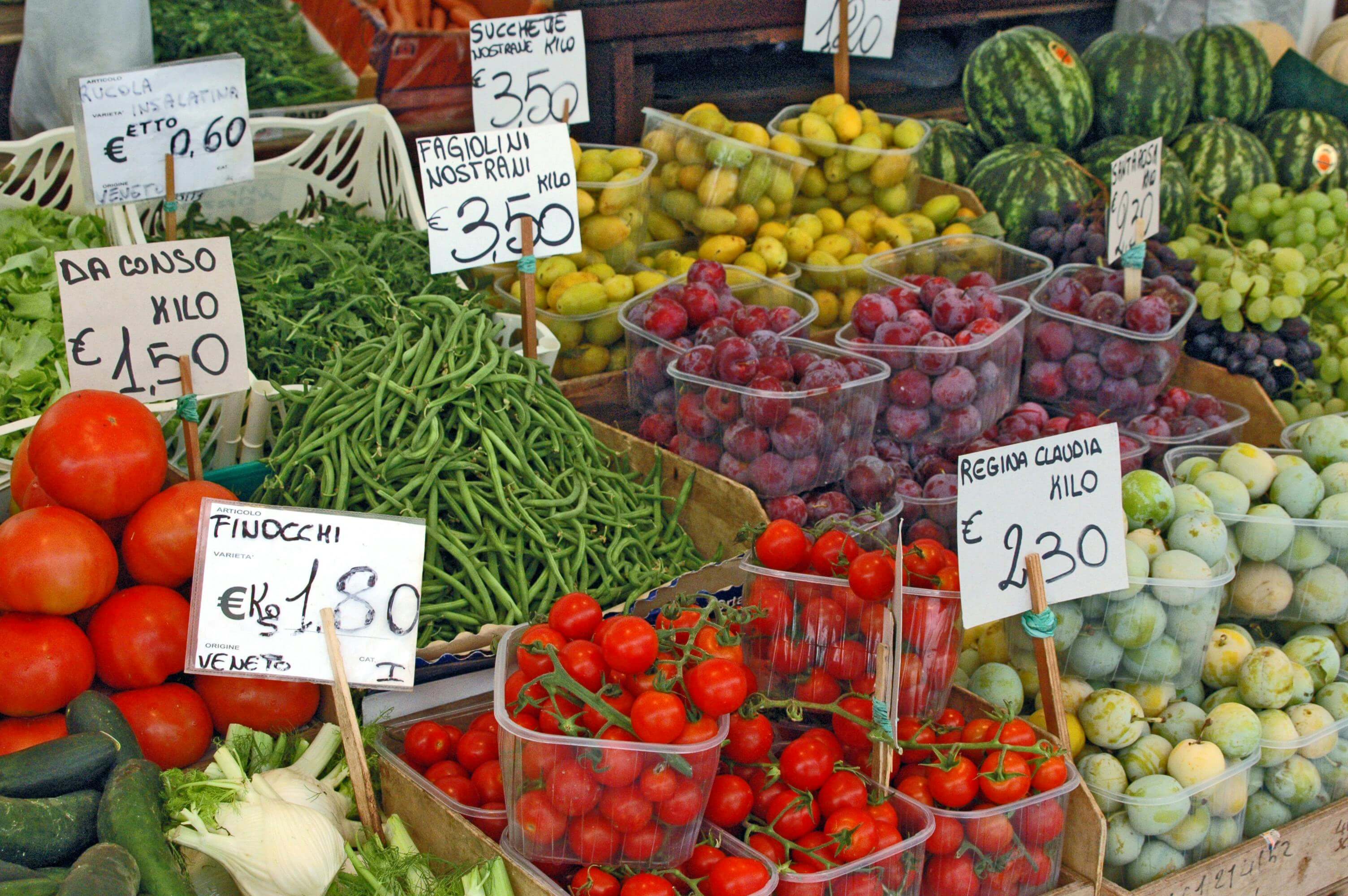
Various fruits and vegetables at a fruit stand.
Customer-specific pricing turns into chaos when it lives in spreadsheets and email threads: conflicting versions, staff unsure which price is right, and margin leaking unnoticed. Centralising pricing gives one master table that updates ordering, pick lists, invoices and accounting at once, with exceptions, group pricing, contract expiry dates and change logs.
Read more...
May 19, 2026

Next Steps: Connect Open Pantry to QuickBooks Online (QBO)

By Gelou Jimeno
Logo of Quickbooks Intuit
Open Pantry remains the operational source of truth for products, customer pricing and ordering, while QuickBooks Online keeps invoicing, receivables, reconciliation and reporting. Orders export to QBO as unsent invoices that you review and send. Setup covers seeding, income account and sales tax mapping, and product and customer matching rules.
Read more...
May 18, 2026

Inventory Management for Food Suppliers: Fix Stock Errors

By Gelou Jimeno
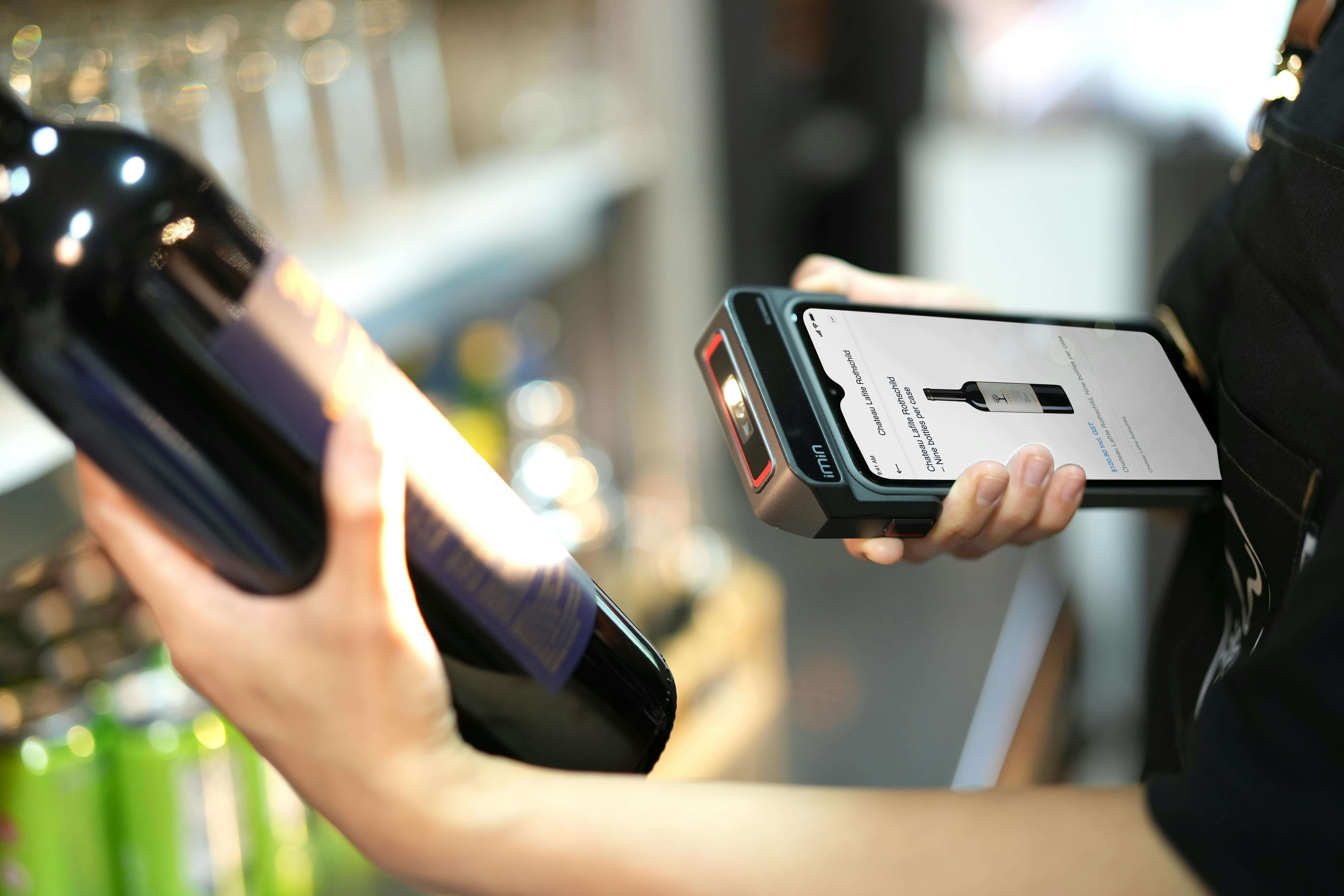
A person using a scanner on a bottle of wine.
Stock errors in foodservice supply come from manual stocktakes, picking without updating quantities, unrecorded substitutions, stock held in several locations, phone and SMS orders never entered, and pack breaks or weight variation. Digital inventory linked to orders, picking and delivery keeps counts current and prevents overselling, emergency buying and wasted labour.
Read more...
May 16, 2026

Wholesale Order Management for Foodservice Suppliers

By Gelou Jimeno
A man holding a tablet, with boxes of fresh produce on the background.
Wholesale order management covers every step from order capture to payment: validating products and pricing, booking delivery, generating picking workflows, dispatch, proof of delivery and invoicing. Running those steps in one digital platform, rather than across email and spreadsheets, cuts errors and speeds fulfilment for foodservice suppliers.
Read more...
May 15, 2026

How Wholesale Food Suppliers Can Eliminate Manual Orders Forever

By Gelou Jimeno
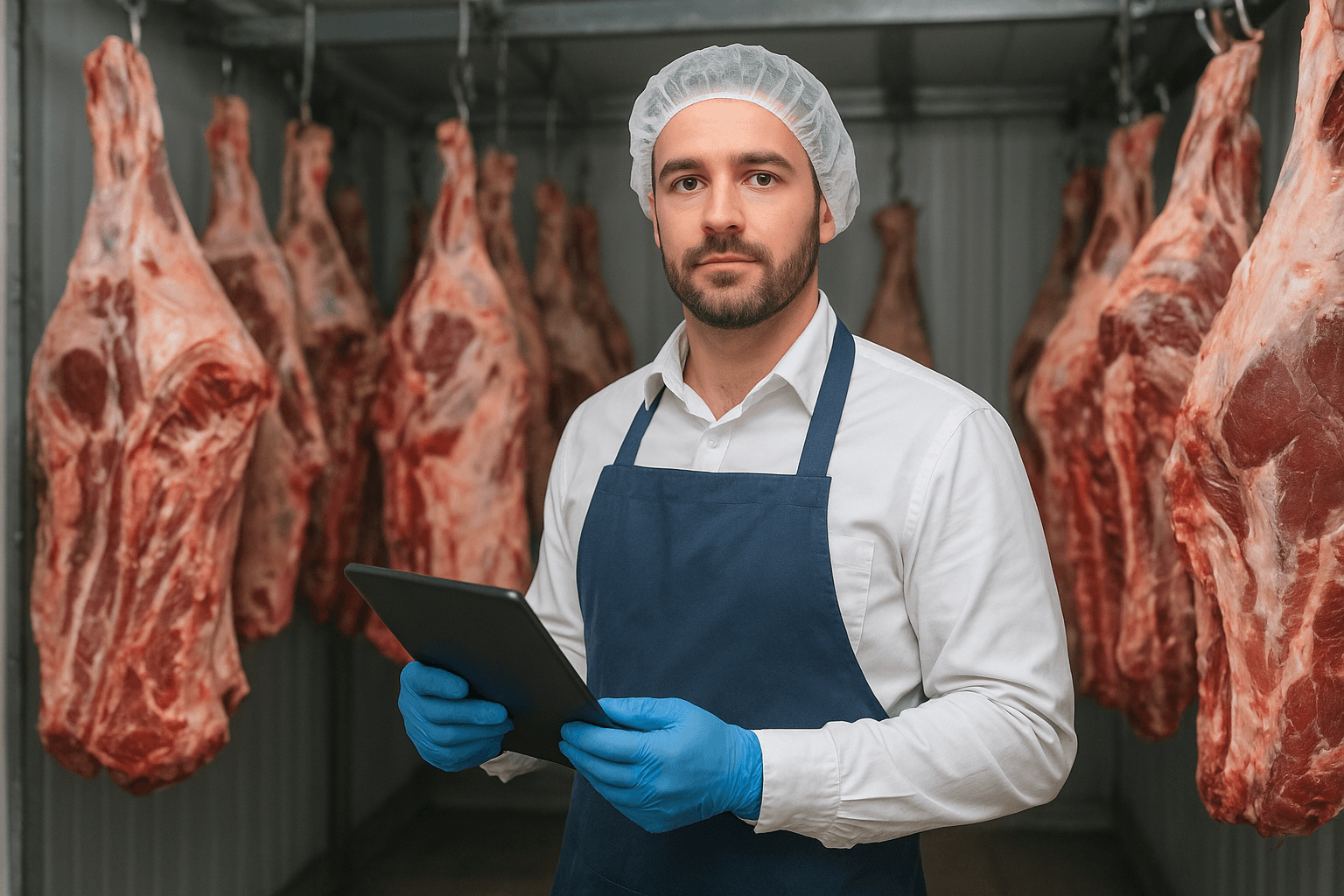
A man holding a tablet in a cold storage room full of meat.
Suppliers eliminate manual orders by giving customers a structured digital ordering app and converting the email and SMS stragglers with a manual order transformation tool. Both paths produce the same structured order that flows into picking, delivery, invoicing and reporting, cutting admin time by 30 to 50 per cent.
Read more...
May 13, 2026

M&J Chickens Launches New Online Ordering System and App in Partnership with Open Pantry

By Gelou Jimeno
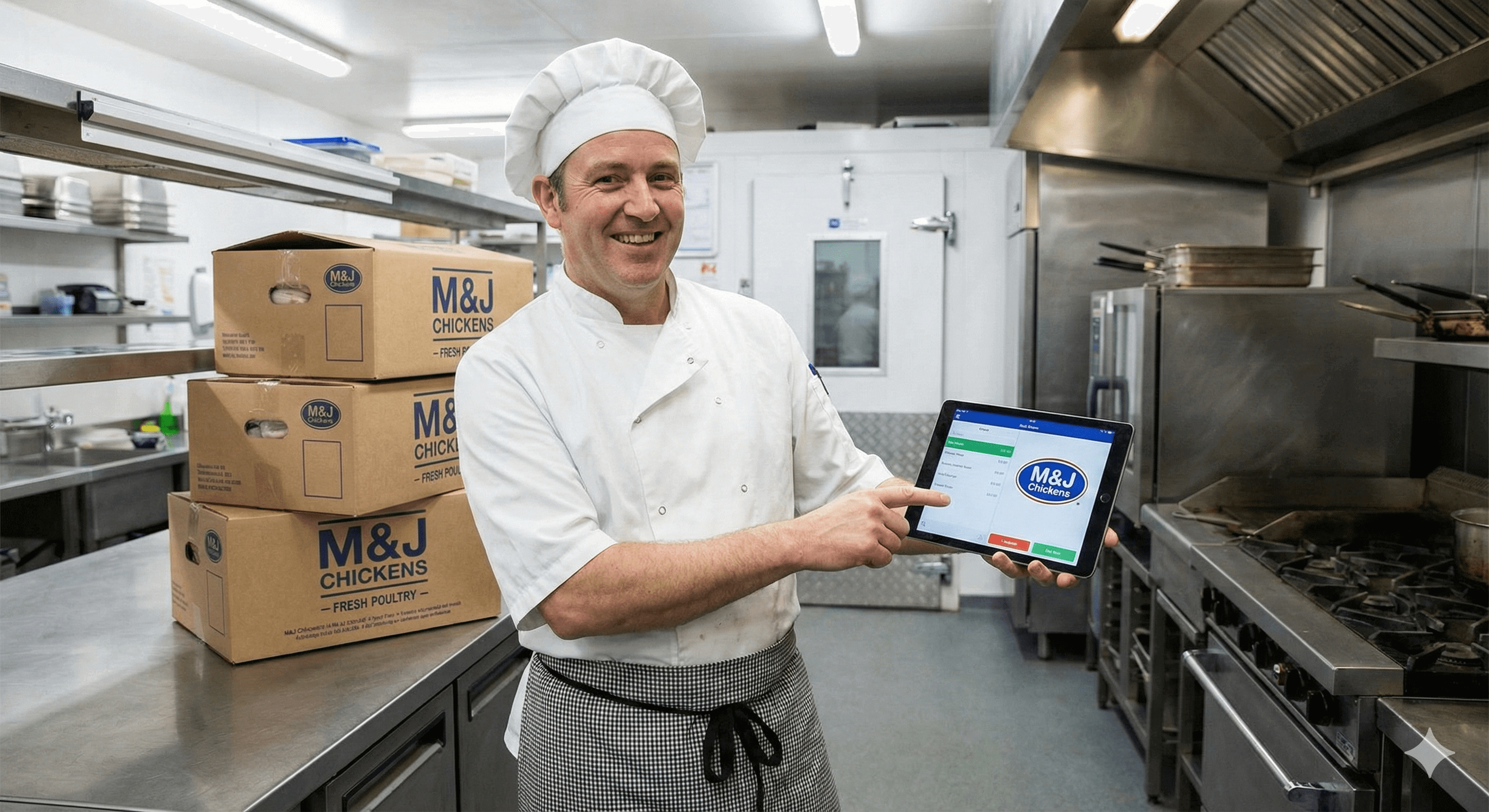
A chef using a tablet to order from M&J Chickens.
M&J Chickens has partnered with Open Pantry to launch an online ordering system and mobile app for its foodservice customers. Venues can browse the M&J range, see pricing before ordering, reorder favourites in seconds and set recurring orders, while keeping the same products, delivery schedule and payment terms.
Read more...
May 12, 2026

Top 10 Best Wholesale Food & Beverage Suppliers in Melbourne

By Gelou Jimeno
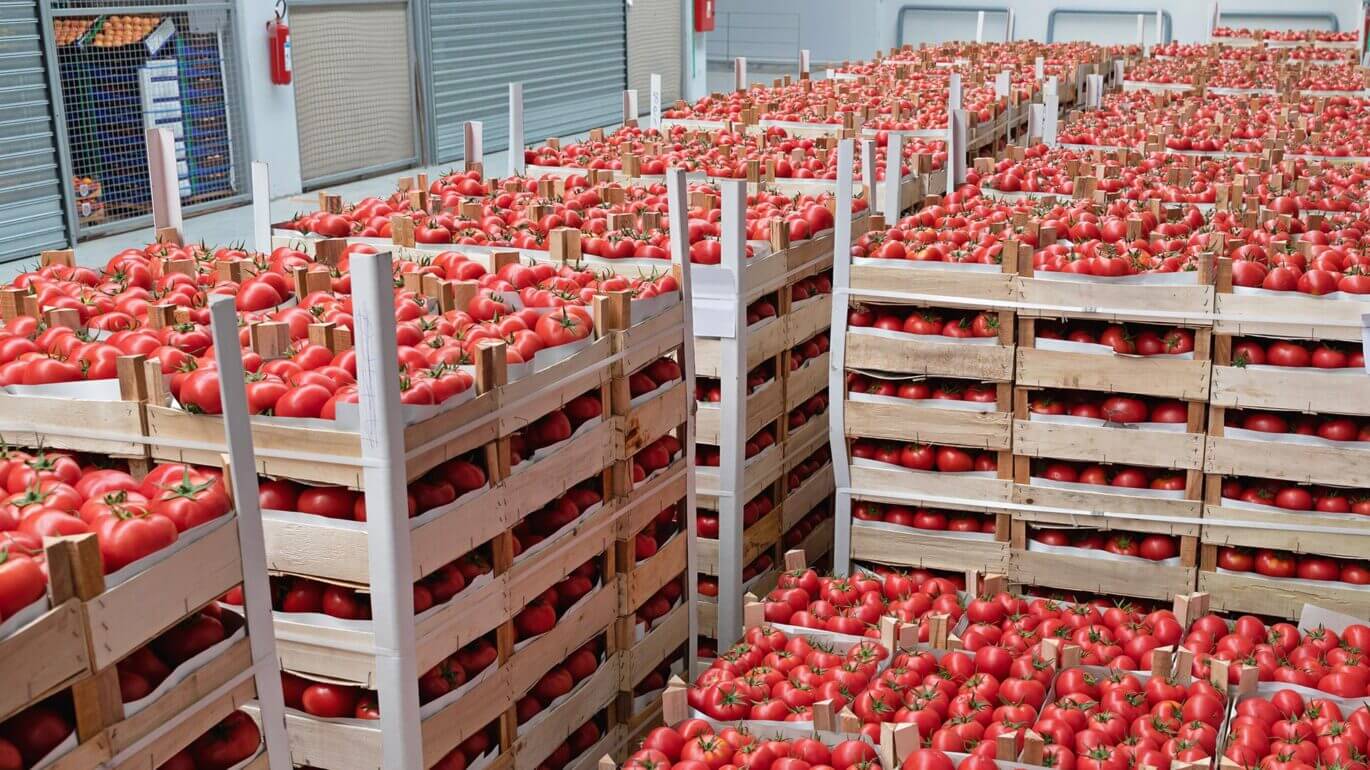
Stacks of hundreds of tomato boxes stored in a warehouse.
Melbourne's leading wholesale food and beverage suppliers include Bidfood Australia, PFD Food Services, Melbourne Food Distributors, Australian Fine Foods, The Food Company, M&J Chickens, Del Re National Food Group, Toscano's Wholesale, Biviano Direct and Procal Dairies, each covering different categories from fresh produce and poultry to dairy, deli goods and gourmet imports.
Read more...
May 9, 2026

Smart Menu Pricing for Australian Restaurants | Open Pantry

By Gelou Jimeno
Chef using a tablet to cost a menu in the kitchen.
Smart menu pricing starts with knowing your food cost percentage, usually targeted between 25 and 35 per cent, then checking gross profit margin, accounting for hidden costs such as labour, utilities and waste, balancing price against customer perception, and engineering the menu around the dishes that are both popular and profitable.
Read more...

Curious how we can save you money?

Get your free Demo Today

Join the worlds leading edge ordering management system

Get a Demo Today